
Water makes up more than 90 percent of finished craft beer. Many new brewery owners assume regular tap water is good enough for beer production, but this is a common misunderstanding. Tap water from local supply contains calcium, magnesium, chlorine, suspended dirt, rust, colloids and different kinds of microorganisms. If you use untreated tap water directly for mashing and brewing, it will create unwanted off‑flavors, weak beer foam, unstable color, and even cause corrosion inside your brewing tanks and pipelines.
A professional Water Treatment System for brewery is designed to process raw tap water. It completes filtration, softening, de‑salination and ion adjustment step by step, and finally produces qualified brewing‑grade water. The Water Treatment System is not an optional accessory. It is one critical supporting unit for the whole set of craft brewery equipment, and it deeply influences beer taste, product stability and equipment service life.
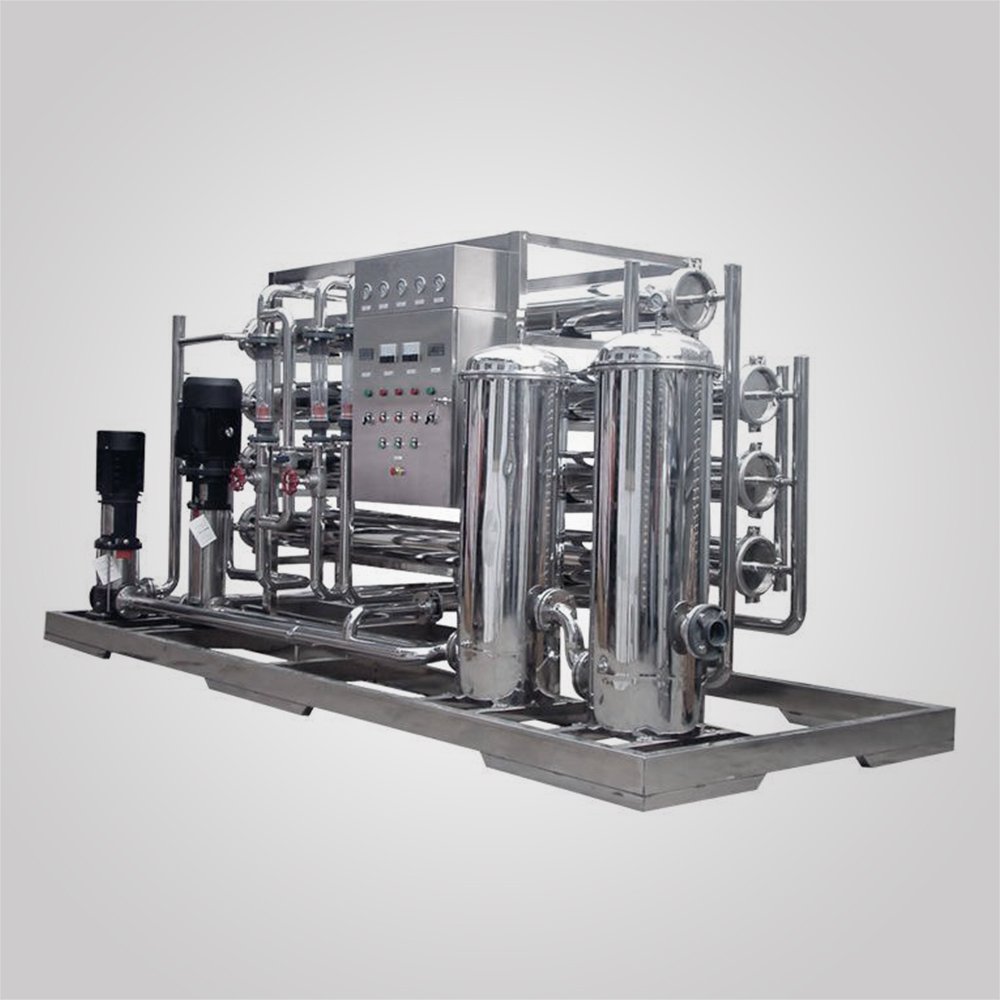
Core Functions of Brewery Water Treatment System
1. Adjust water ions to shape beer flavor style
Every beer style needs its own unique water ion profile, and this work mainly depends on your Water Treatment System.
- Calcium ion helps enzyme activity during mashing. It stabilizes wort pH value and improves beer foam performance. Too much calcium will bring strong and harsh bitter taste to final beer.
- A small amount of magnesium supports normal yeast metabolism. Excess magnesium will add unpleasant bitter notes to your beer.
- Bicarbonate has big influence on wort pH. High bicarbonate will neutralize malt acidity, make beer hazy and create rough drinking experience.
Through water softening, reverse osmosis or ion‑exchange modules inside the Water Treatment System, brewery operators can tune each ion index accurately. No matter what your local tap water condition is, you can produce lager, pale ale, hazy IPA, stout and many other beer styles. You are able to copy classic historical water profiles of famous beer regions without geographic limits.
2. Remove harmful substances and prevent common beer defects
Untreated raw water carries many hidden risks for final beer quality, and the Water Treatment System removes these risks in advance.
- Remove residual chlorine: Chlorine in city tap water will react with polyphenols from malt. This reaction creates bad medicinal or disinfectant‑like off‑flavor, which completely ruins the fine aroma of craft beer.
- Filter sand, rust and colloids: These solid impurities will block heat exchangers, plate exchangers and narrow brewing pipes. Blocked parts reduce production efficiency and need frequent manual cleaning.
- Get rid of heavy metals: Heavy metals will lead to abnormal yeast performance. They cause beer color shift, speed up beer oxidation, and greatly shorten the shelf life of finished beer.
- Reduce microorganism load: Good Water Treatment System cuts down bacteria in incoming water. It lowers early‑stage contamination pressure and reduces infection risk in later fermentation steps.
3. Protect brewery equipment and extend overall service life
Hard raw water contains high calcium and magnesium. When water is heated inside brewhouse, these minerals form hard limescale. Limescale sticks to inner walls of mash tun, boiling kettle, heat exchange plates and pipelines.
Limescale brings two big troubles. First, it blocks heat transfer. Your steam heating or electric heating will consume more energy, and heating speed becomes slower. Second, tiny bacteria can hide inside scale cracks. Even repeated CIP cleaning cannot fully remove these hidden bacteria, which raises recurring contamination risk.
With proper softening function from the Water Treatment System, limescale formation is largely reduced. Breweries spend less time and cost on equipment maintenance. Brewhouse vessels, heat exchangers, fermenters and pipe systems can work for much longer time.
4. Supply multi‑grade water to satisfy full‑plant production demands
One complete Water Treatment System can output different grades of water for different production links in your brewery:
- Brewing‑grade water: Used for mashing process and malt sparging, directly touches raw brewing materials.
- Cleaning‑grade water: Used for CIP cleaning of tanks, pipes, hop guns and other brewery accessories. Good‑quality cleaning water also helps you save chemical detergent consumption.
- Make‑up water for cooling circulation loop and steam boiler. Steam boiler has strict requirement for low‑hardness feed water. Well‑processed water prevents dangerous scale build‑up inside boiler units.
Common Water‑treatment Configurations for Different Brewery Scales
- Small and medium‑size craft brewery: Main configuration includes quartz sand filter, activated carbon filter, security filter and water softener. This standard Water Treatment System meets daily craft brewing needs.
- Medium‑to‑large production brewery: Add RO reverse osmosis unit on the basis of standard setup. This upgraded Water Treatment System allows flexible and wide‑range water profile adjustment for multi‑style beer production.
Practical Selection Tips
Lots of brewery project buyers put most attention on brewhouse combination, fermenters and bright beer tanks, while ignoring the importance of the Water Treatment System. Even if you buy high‑quality stainless‑steel brewing vessels, stable great‑tasting beer cannot be achieved if raw water stays untreated.
You should take the Water Treatment System into consideration during your early‑stage brewery layout design. For best performance, customize the system specification according to your local raw‑water test report.