
Craft beer is a relatively popular low-alcohol beverage today. Many craft breweries and pubs choose to purchase their own beer brewing equipment and brew their own beer. Craft beer is freshly brewed, with a strong malt aroma and unique flavor, making it very popular among consumers. Its main brewing raw materials are malt, hops, yeast, and water, with no unnecessary additives, making it a green and healthy beverage.
Hops have an important influence on the flavor and aroma of beer. The hops generally purchased during the brewing process cannot always be used up at one time, so how should hops be stored in daily brewing operations?
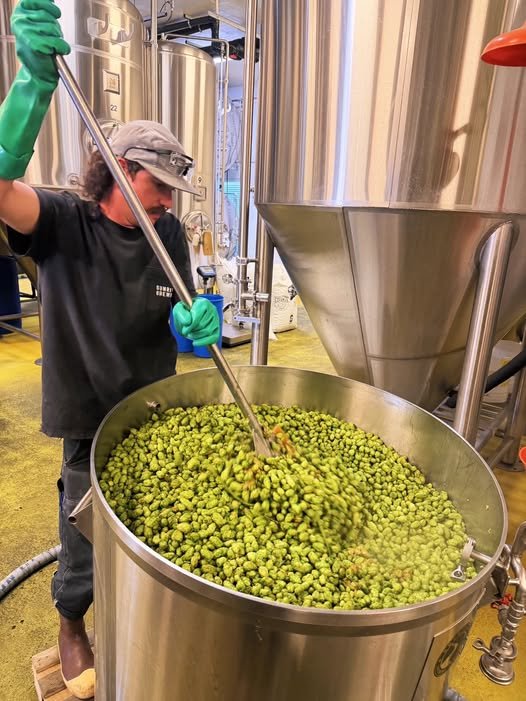
The commonly used hop forms in craft beer include hop pellets and hop flakes, and the hops storage requirements for both are similar.
Proper hops storage needs to pay attention to four key factors: oxygen, temperature, light, and humidity.
1. Oxygen
Oxygen is the number one enemy of hops. Oxygen can cause the oxidative polymerization of alpha acids, resulting in the loss of their original taste and preservative properties. Polymerized hard resins, such as gamma resin, are one of the main sources of bitterness in hops after oxidation.
The oxidation of high-molecular-weight polyphenols in hops can give beer a rough and harsh bitter taste. The oxidation of aroma compounds in hops can lead to the disappearance or alteration of their original aroma characteristics. However, in some cases, oxidized hops may develop a relatively noticeable ester aroma.
To isolate oxygen during hops storage, vacuum packaging or nitrogen-flushed packaging is most commonly used.
Vacuum packaging: Hop pellets, especially those with high oil content, are often pressed into a solid mass. This makes them very firm and less likely to break, but they can also be inconvenient to use. For this reason, this type of packaging has become less common.
Nitrogen-filled packaging: There is a large amount of nitrogen in the aluminum foil bag, and the hop pellets do not stick to each other, making them more convenient to use.
Oxidized hops should not necessarily be thrown away. They can be added in small amounts toward the end of the boiling process as aromatic hops in wheat beer brewing.
2. Temperature
The recommended storage temperature for hops is generally no higher than 4°C. Above this temperature, alpha acids begin to attenuate significantly and polymerize to form gamma resin, which can produce a bitter taste and affect hop quality.
There is no specific requirement for the lower temperature limit. Lower temperatures are conducive to maintaining the original quality of hops. When the temperature is below 0°C, the shelf life can be up to five years.
However, the disadvantage of freezing at temperatures far below 0°C is that it can change the physical condition of the hops. Hop pellets themselves contain approximately 8% moisture. When this moisture freezes, it expands in volume. Once the temperature returns to normal, the pellets may become loose and break apart, leading to rapid oxidation when they come into contact with air.
Therefore, for practical hops storage, it is recommended to maintain the storage temperature between 0–2°C. It is also recommended to pack hops into small packages that are convenient for use at low temperatures. This helps avoid breaking and oxidizing the pellets in a large bag when the hops are repeatedly taken out.
3. Light
Exposure to light can change the color of hops to off-white and cause a significant loss of aroma compounds. Therefore, hops currently available on the market are generally packaged in aluminum foil bags.
If an aluminum foil bag is not available when repacking hops, you can use a transparent ziplock bag with black paper wrapping instead.
Keeping hops away from direct light is therefore an important part of proper hops storage.
4. Humidity
For hops storage, the relative humidity of the storage environment should not be higher than 60%. Excessive humidity can lead to the following problems:
- Alpha acid polymerization: Alpha acids can polymerize to form gamma resin, which produces a bitter taste.
- Mold and bacteria: Hops can kill most Gram-positive bacteria but have almost no killing effect on Gram-negative bacteria and fungi.
- Rot: Plant tissues stored in an excessively moist environment are more likely to rot.
Therefore, controlling humidity is also essential for maintaining the quality and freshness of hops during storage.
Proper hops storage is essential for preserving the quality, aroma, and bitterness of hops and, ultimately, maintaining consistent beer quality. By controlling oxygen, temperature, light, and humidity, craft breweries can effectively extend the storage life of hops and preserve their brewing characteristics.
If you are planning to open a craft brewery, please feel free to contact us. We can provide a complete turnkey service to meet your special requirements.
Cheers!
👤 Cassie
📧 [email protected]