
Why Does Beer Taste Different Batch by Batch?
Many new craft breweries face the same confusing problem. Even with the same malt, hops, and brewing process, the finished beer often tastes different in different batches. It may taste harsh, hazy, or weak in aroma. Most brewers check mashing, fermentation, and dry hopping repeatedly but still cannot find the reason.
In most cases, the real problem is brewing water.
Municipal tap water and well water are not stable all year round. Seasonal changes, pipeline aging, and groundwater level changes will affect water hardness, pH value, and ion content. Ordinary filter equipment and water softeners can only remove sediment and scale. They cannot adjust water quality accurately enough for high‑standard craft brewing.
An RO water treatment system solves unstable water quality and inconsistent beer flavor. It has become the core and standard water treatment equipment for modern craft breweries.
What Is a Brewery RO Water Treatment System?
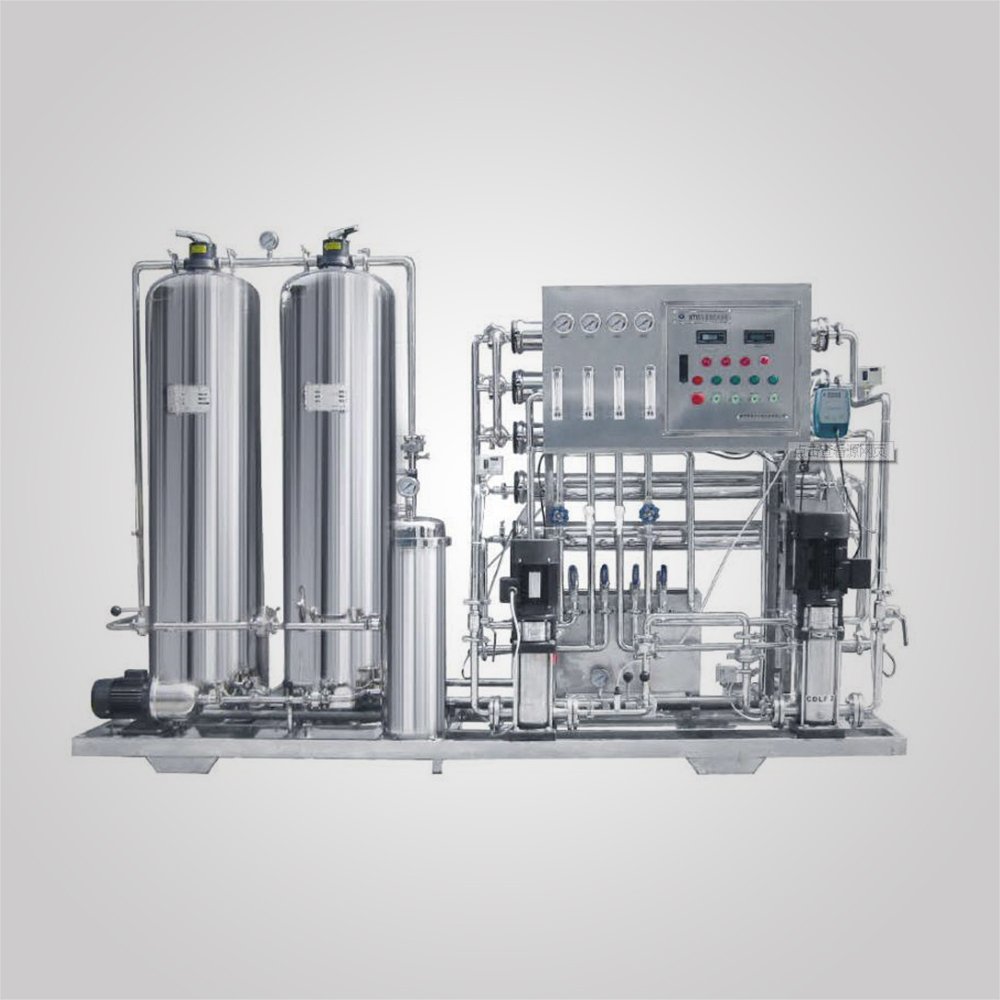
RO (Reverse Osmosis) system is a high‑level water purification device for breweries. Unlike simple sand filters, carbon filters, and softeners, the RO system removes more than 99% of impurities from raw water, including heavy metals, excess calcium and magnesium, salt, organic matter, and microorganisms.
In short, the core advantage of an RO system is to turn unstable raw water into pure blank water.
Normal water equipment can only improve water quality slightly, but the RO system can reset the water quality completely. After RO purification, the water contains almost no harmful substances or interfering ions. Breweries can then add precise minerals to simulate classic water profiles for different beer styles.
Why Modern Breweries Must Equip an RO System?
Stabilize beer flavor and unify batch quality
Breweries without RO equipment are completely controlled by local water conditions. Water hardness and chlorine content change in different seasons. Unstable water directly affects wort pH and yeast fermentation performance, resulting in inconsistent bitterness, aroma, and taste in every batch of beer.
An RO system provides stable pure water all year round. It locks the basic brewing water condition. With fixed mineral adjustment formulas, breweries can keep highly consistent beer flavor, color, and taste in mass production.
Support all beer styles and break geographical limits
Different beer styles require completely different water ion ratios. Pilsner needs ultra‑soft water, stout needs high alkalinity water, IPA needs balanced calcium and magnesium, and hazy NEIPA requires stable neutral water.
Without an RO system, breweries can only make beer styles that fit local water quality, which greatly limits product diversity.
RO blank pure water allows flexible mineral adjustment. Breweries can accurately restore classic water profiles from Munich, Pilsen, and American craft brewing areas. A single brewery can steadily produce lager, ale, stout, hazy IPA, and various craft beer styles.
Eliminate water‑caused beer defects and off‑flavors
Untreated raw water contains hidden risks such as chlorine, chloramine, heavy metals, and excess salt. These substances cause common beer problems: medicinal taste, band‑aid flavor, bad bitterness, haze, easy oxidation, and short shelf life.
The RO water treatment system deeply filters all harmful impurities. It removes water‑caused off‑flavors completely. Beer aroma becomes cleaner and purer, highlighting the fruity, citrus, and floral notes of hops and the sweet flavor of malt.
Protect brewing equipment and reduce maintenance cost
Hard raw water causes severe limescale inside mash tun, kettles, heat exchangers, and pipelines. Scale reduces heat efficiency, increases power and steam consumption, and hides bacteria. It increases CIP cleaning difficulty and causes repeated contamination risks.
RO pure water contains almost no scaling ions. It fundamentally prevents limescale formation, reduces equipment corrosion and blockage, lowers CIP chemical cost, and extends the service life of the whole brewing system.
Which Breweries Need an RO Water Treatment System?
- Breweries that produce multiple beer styles and frequently launch new products
- Breweries with unstable local raw water and inconsistent beer batches
- Breweries focusing on high‑standard styles such as IPA, NEIPA, stout, and Pilsner
- Mass production breweries that require standardized and stable quality
- Branded craft breweries pursuing long‑term stable taste and market reputation
Key RO System Selection Tips for Breweries
- Match production capacity: Choose suitable RO water yield according to your mashing volume and daily peak water consumption
- Complete pre‑treatment: Equip quartz sand filter, activated carbon filter, and security filter to protect RO membranes
- Food‑grade material: Full 304 stainless steel pipes and tanks to avoid secondary pollution
- Real‑time water quality monitoring: TDS value display ensures stable water output
- Reserve expansion space: Support future capacity upgrade and style expansion
Nowadays, mashing, fermentation, and dry hopping technologies are very similar in most craft breweries. Stable and customizable brewing water has become the core competitiveness of high‑end craft beer.
The RO water treatment system acts as a flavor calibrator for craft breweries. It eliminates seasonal water fluctuation, solves batch inconsistency, removes water‑caused off‑flavors, and protects brewing equipment. It helps breweries achieve standardized production and stable beer quality.