
The wort boiling kettle is an essential piece of equipment in the brewhouse system. It is mainly used for wort boiling, hop addition, flavor fixation, sterilization, and protein precipitation. Boiling quality directly affects beer clarity, flavor stability, color and taste consistency.
Wort boiling kettles are generally made of food‑grade stainless steel. According to different heating installation positions, brewery boiling kettles are divided into four main types: direct‑fire kettle, steam jacketed kettle, internal tube heating kettle, and external heating circulation kettle. Each structure has unique advantages and suitable application scenarios.

1. Direct‑Fire Boil Kettle
The direct‑fire kettle uses fuel flame to heat the bottom of the tank directly. It has a simple structure and low cost.
However, this heating method causes extremely uneven temperature. The bottom area is overheated easily, which burns the wort and produces burnt flavor. It will darken wort color and ruin beer taste.
Due to unstable heating and burning risks, the volume of direct‑fire kettles is limited. This type of kettle is gradually eliminated in modern commercial craft breweries.

2. Steam Jacketed Boil Kettle (Most Popular for Medium‑Large Craft Breweries)
The steam jacketed boiling kettle is widely adopted for medium‑to‑large‑scale craft brewing. The bottom and side walls are equipped with sealed steam jackets.
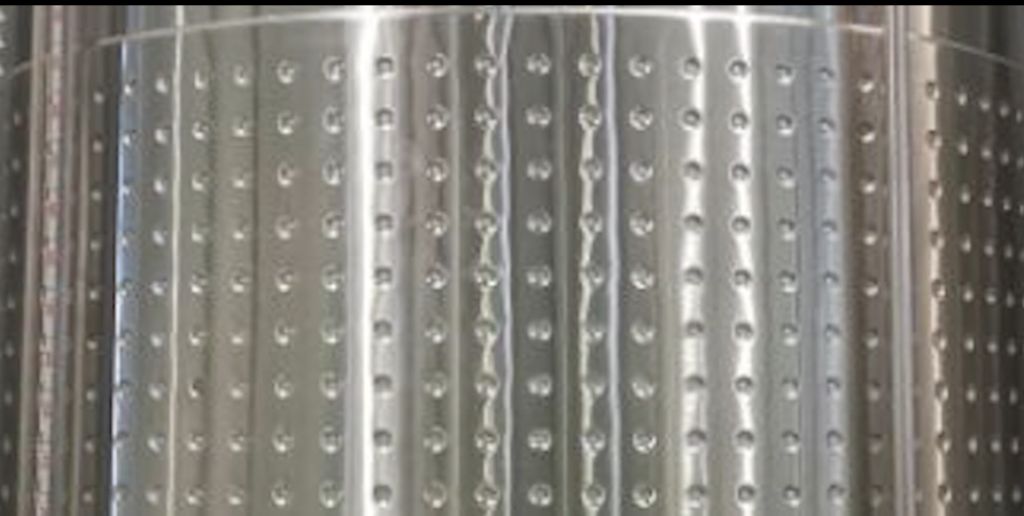
High‑temperature steam fills the jacket and heats the wort evenly through heat conduction. No local overheating occurs, so the wort will never burn or produce off‑flavors. It perfectly maintains pure beer flavor and stable color.
After heat exchange, the steam cools down and turns into pure condensed water, which can be recycled back to the boiler. This design saves energy and reduces long‑term operating costs.
With stable temperature control and gentle boiling performance, the steam jacketed kettle is suitable for almost all craft beer styles, including IPA, hazy beer, stout and ale. It works best when a steam boiler is available on site.
3. Internal Tube Heating Boil Kettle
This kettle installs tubular heating pipes inside the tank, with an umbrella anti‑overflow cover on the top of the heater. The internal heating structure provides larger heat exchange area and higher heating efficiency. It supports large‑volume wort boiling with faster heating speed.

However, it also has obvious disadvantages. The internal tubes create dead corners, making cleaning difficult. In addition, unstable steam pressure easily affects wort color and flavor. This type of kettle requires rich operating experience and is not friendly for small and medium breweries.
4. External Circulation Heating Boil Kettle
Large industrial breweries usually adopt external heating kettles. The heater is installed independently outside the boiling tank, and a wort circulation pump continuously sends wort to the external heater for heating.
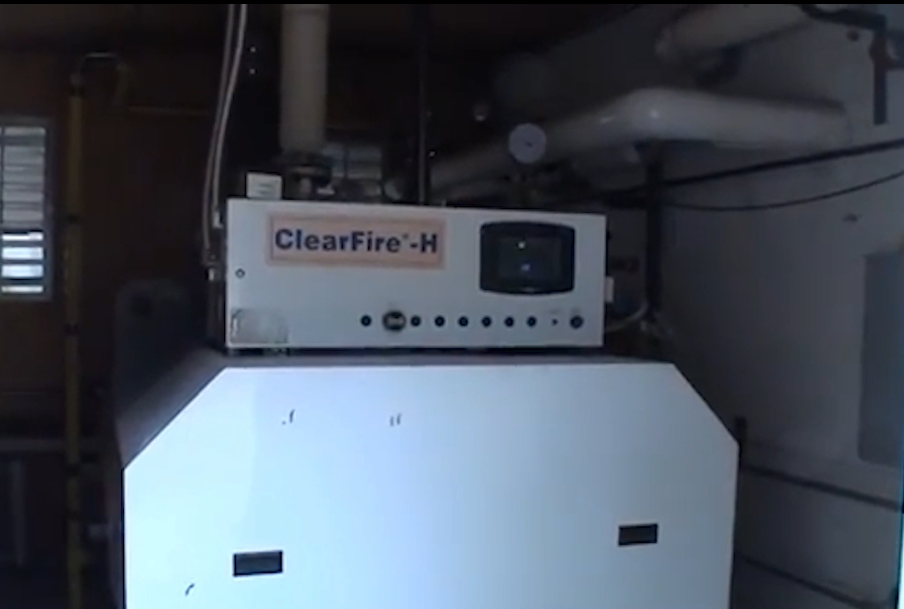
This structure greatly shortens boiling time and improves production efficiency, which is ideal for mass production.
Nevertheless, the whole system is expensive. The circulating pump consumes high electricity, and the equipment occupies large space. It is not suitable for small craft breweries, brewpubs and startup projects.
Quick Comparison & Selection Guide
- Direct‑fire kettle: Low cost, easy burning, unstable heating, outdated for commercial brewing
- Steam jacketed kettle: Even heating, stable flavor, energy saving, best for medium‑large breweries with steam boiler
- Internal tube kettle: Fast heating, hard cleaning, high operation requirement
- External circulation kettle: High efficiency, high cost and high power consumption, only for large factories
Tiantai Brewery Equipment Recommendation
For small‑size breweries, brewpubs and startup projects without an independent steam boiler, electric‑heated jacketed boiling kettles are our primary recommendation. No extra steam generation equipment is required. The built‑in electric heating elements deliver uniform heating, avoid wort burning, and keep consistent wort color and clean flavor. Simple installation and easy operation make it ideal for small‑batch craft production.
For medium and large breweries equipped with steam boilers, steam jacketed boiling kettles are the most cost‑effective and reliable solution. Tiantai brewhouse systems supply both electric‑heating and steam‑heating boiling kettles. Both versions guarantee even heating, no burnt wort, stable color and pure flavor, helping breweries achieve standardized and stable brewing batch by batch.
Conclusion
The boiling kettle structure directly determines wort quality and brewing stability. Choose electric‑heated kettles for small breweries without steam boilers. For modern medium‑large craft beer production that focuses on clean taste and consistent flavor, the steam jacketed boiling kettle is the most mature and reliable configuration.