
In the mashing process of craft beer, many brewers focus on mashing temperature, protein rest and boiling time, yet overlook sparging. Mastering correct sparging technique is an essential skill for every brewer.
Good sparging directly influences wort gravity, extract yield, residual sugar content, as well as color, taste and flavor stability of final beer. Our target is to obtain high‑gravity, high‑volume mixed wort with low residual sugar. To get ideal results, brewers need to control sparging timing, water temperature, pH value and sparging cycles, with support of well‑designed lauter tun equipment for even and repeatable production.
Equipment Advantage: Top Sparging Cycle for Even Water Distribution
Poor sparging results, such as uneven sugar washing and unstable wort gravity, are not always caused by operation mistakes. Sometimes it comes down to defective water‑spraying structures.
Tiantai lauter tun is equipped with a top circular sparging cycle, different from simple single‑point water inlet. The ring sits at the top inside the tank. It spreads water softly and evenly over the whole grain bed without damaging the filter layer.
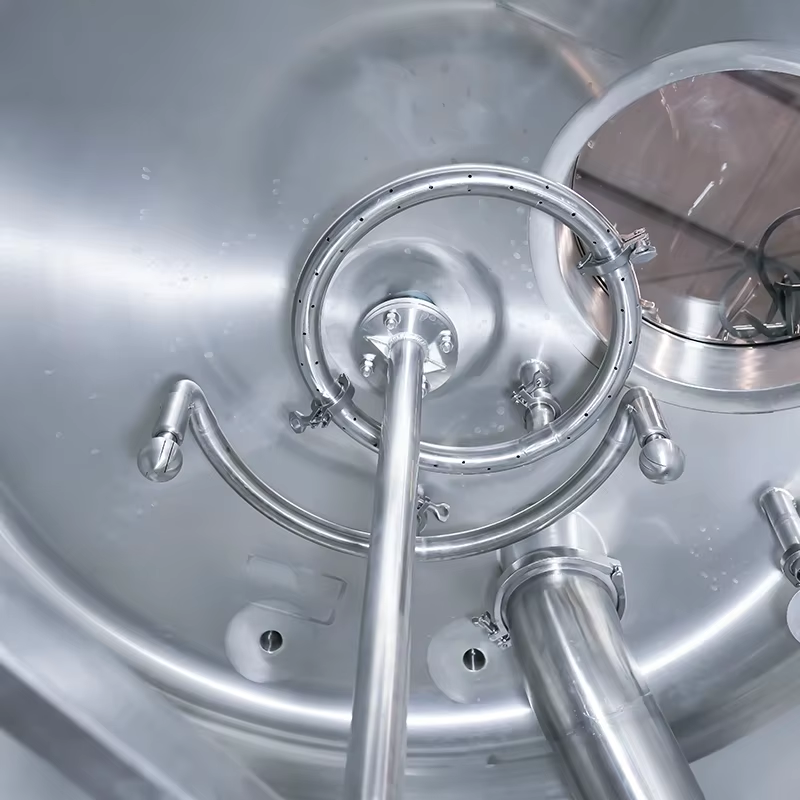
Key benefits of the top sparging ring:
- Deliver uniform water distribution, avoid over‑sparging in local areas and high residual sugar in other spots
- Keep soft water flow, do not break the grain bed to maintain good lautering performance
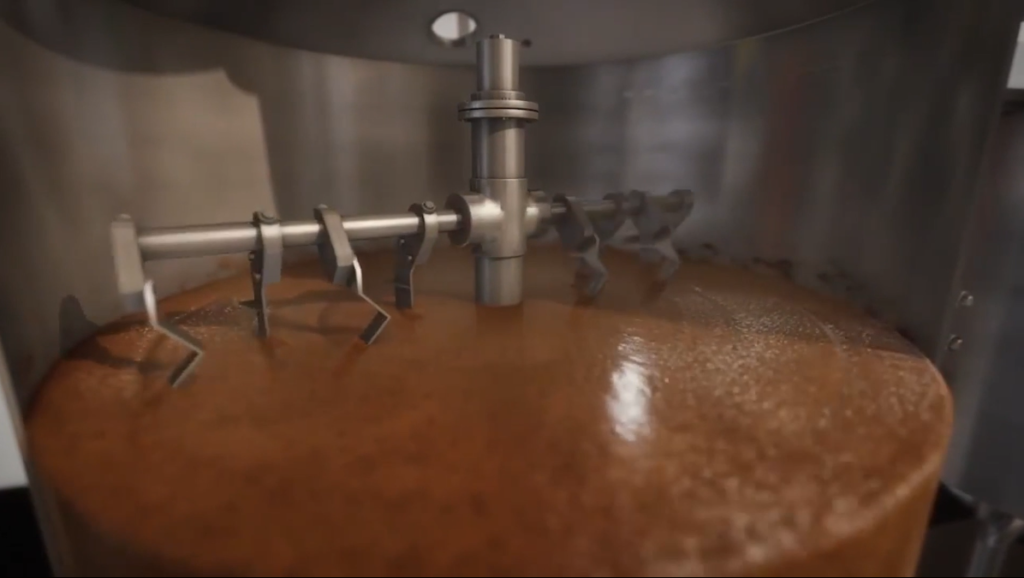
- Work together with raking system to wash out remaining extracts and improve raw‑material utilization rate
- Replace uneven manual watering, support standardized and repeatable sparging process
Reliable sparging always starts with proper equipment. The sparging cycle is critical hardware for efficient sparging.
Four Key Points for Correct Sparging
1. Catch the right sparging timing
Start sparging immediately when first wort runs off and grain surface is just exposed.
If you start sparging too early, plenty of extracts will stay trapped inside grains and residual sugar will rise. If you start sparging too late, total lautering time will be extended. Grain bed exposes to air for longer time and increases oxidation risk, bringing stale and rough flavor to beer.
2. Suitable temperature and pH of sparging water
Keep sparging water temperature between 75℃‑78℃. Too high temperature will dissolve large amount of sticky substances from husks, making wort hazy. Too low temperature cannot wash residual sugar completely and causes material waste.
The optimal pH range for sparging water is 5.8‑6.0. Under this slightly‑acid condition, less polyphenol from malt husks dissolves out. It helps reduce wort color and delivers cleaner beer taste.

3. Conduct sparging in 2‑3 batches
One‑shot large‑volume water filling is not recommended. It is better to carry out sparging in two or three separate steps.
Multiple small‑batch sparging allows water to penetrate grain layer step by step. It fully dissolves extracts trapped inside grains, maximizes wort volume and lowers residual sugar.
4. Avoid over‑sparging
More sparging cycles do not mean better results. Over‑sparging must be avoided.
Over‑sparging washes excessive unwanted polyphenols and bitter substances out of malt husks. It brings harsh taste and shortens beer shelf life. Besides, over‑sparging reduces mixed wort gravity greatly and increases energy consumption during wort boiling.
Stable Production Comes From Process Plus Equipment
To get every batch of wort with high gravity, high yield, low residual sugar and low oxidation risk, precise operation must cooperate with professional lauter tun equipment.
Tiantai lauter tun integrates top circular sparging ring, adjustable raking system and stable wort outlet structure. It perfectly fits 2‑3‑step standard sparging workflow. Reliable hardware reduces human error. Combined with proper temperature, pH and timing control, it improves malt utilization and avoids off‑flavor, oxidation and haze. Consistent beer quality can be achieved batch after batch.
Sparging looks like simple water adding, but it is a detail‑oriented core step in mashing. Catch correct timing, control water temperature and pH, manage sparging cycles and prevent over‑sparging. With even water distribution from the top sparging ring inside lauter tun, brewers can realize high yield, good quality and low‑loss mashing production.
Great brewing depends not only on experience, but also on scientific process and well‑built brewery equipment. Standard sparging procedure and qualified lauter tun are both indispensable.