
Lautering is the process most brewers use to separate the wort from the mash.
A lauter tun consists of a large vessel to hold the mash and a false bottom or manifold
to allow the wort to drain out and leave the grain behind.
Lautering can be conducted several ways, but it usually consists of 3 steps.
These are: mashout, recirculation, and sparging
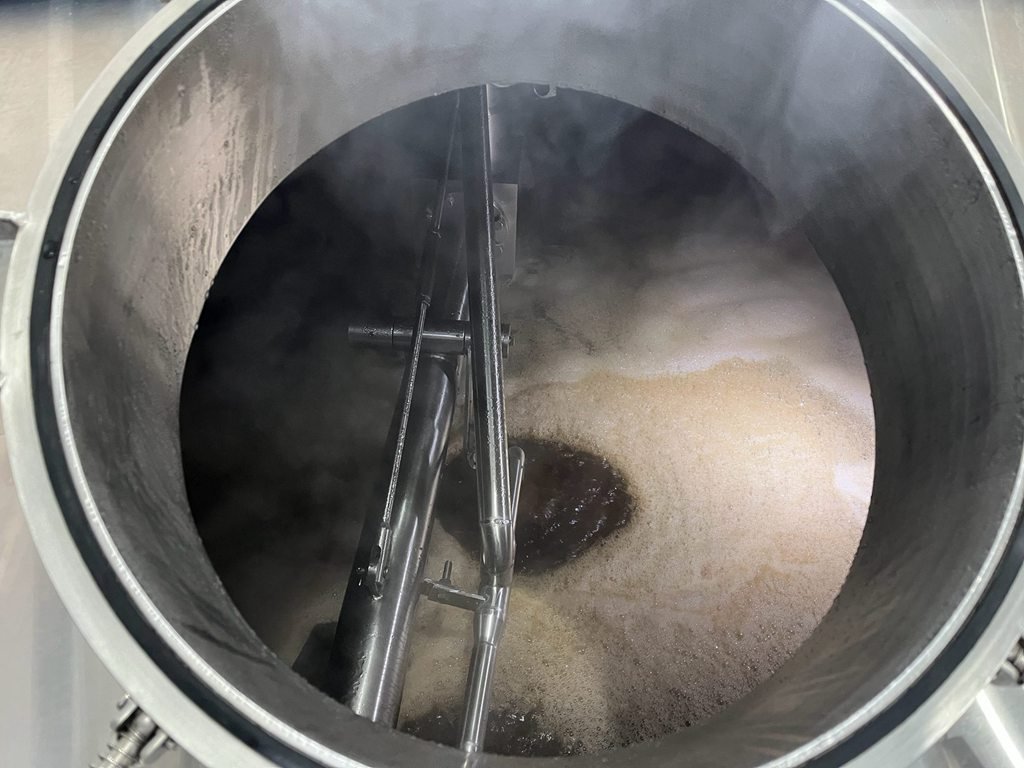
What is Mashout?
Before the wort is drained from the mash and the grain is sparged of the residual sugars,
many brewers perform a mashout.
Mashout is the term for raising the temperature of the mash to 170F prior to lautering.
This step stops all of the enzyme action (preserving your fermentable sugar profile)
and makes the grainbed and wort more fluid.
What is Recirculation?
After the grain bed has settled and is ready to be lautered,
the wort are drawn out through the drain of the lauter tun and poured back in on top of the grainbed.
The first lautering are almost always cloudy with proteins and grain debris and this step filters
out the undesired material from getting in your boiling pot.
The wort should clear fairly quickly.
After the worts starts running clear (it will be dark and a little bit cloudy),
you are ready to collect the wort and sparge the grainbed.
Re-circulation may be necessary anytime the grain bed is disturbed and bits of grain and husk appear in the runoff.
What is Sparging?
Sparging is the rinsing of the grain bed to extract as much of the sugars from the grain
as possible without extracting mouth-puckering tannins from the grain husks. Typically,
1.5 times as much water is used for sparging as for mashing.
The temperature of the sparge water is important.
The water should be no more than 170F, as husk tannins become more soluble above this temperature,
depending on wort pH. This could lead to astringency in the beer.
The wort should be drained slowly to obtain the best extraction.
Sparge time varies depending on the amount of grain and the lautering system, 0.5 – 2.5 hours.
Poject Manager: Abby Wang
Email: [email protected]