
Filtration is a crucial step in the beer brewing process. After the mashing is completed, the mash enters the lauter tun for filtration, so as to obtain a relatively clear wort. Let us discuss the filtering operation steps of the lauter tun together. 🙂
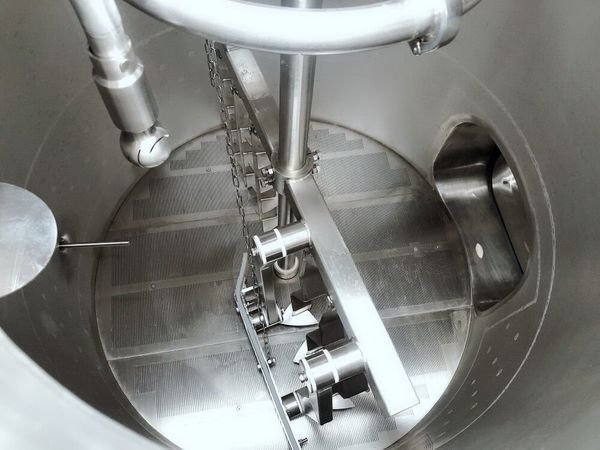
(1) Check the equipment: Before the end of saccharification, check whether the sieve plate of the filter tank is well laid.
(2) Pressing hot water: Pass 78C hot water from the bottom of the filter tank to the extent that it has just passed the sieve plate. Preheat.
(3) Pumping mash: When the mash is pumped from the bottom, the tillage blade should be rotated slowly to make the grains evenly distributed; if the mash is pumped from the top, a mash distributor should be used to reduce the flow rate to 0.3- 0.4m/s.
(4) Standing, pre-filtering and refluxing: After all the mash is pumped in, lift the tillage blade and let it stand for 10-15 minutes to form a filter layer. Switch and adjust the wort outflow valve to remove the sediment between the sieve plate and the bottom of the tip, and return the pre-filtered cloudy wort to the filter tank. The reflux wort should preferably enter from the liquid surface until the wort is clear.
(5) Filtration of the first wort: The first wort should flow out as soon as possible. With the increase of resistance, the filtration speed will slow down. The grain tiller can be started, and attention should be paid to the wort to become mixed.
(6) Washing the grains: When the first wort is filtered to the point where the grains are about to be exposed, stop filtering to wash the grains, start the grain tiller, and the grains are gradually lowered until the tillers are 5~10cm away from the sieve plate, and spray from the upper part of the grains. The wine washed the bad water and started to wash the bad water. Washing the dregs can be carried out continuously or divided into 2 to 3 times.
(7) Discharge of bad grains: After grain washing, adjust the tillage blade to the horizontal direction and lower it, open the bad grain gate valve, and discharge the grain grains into the bad grain bin.
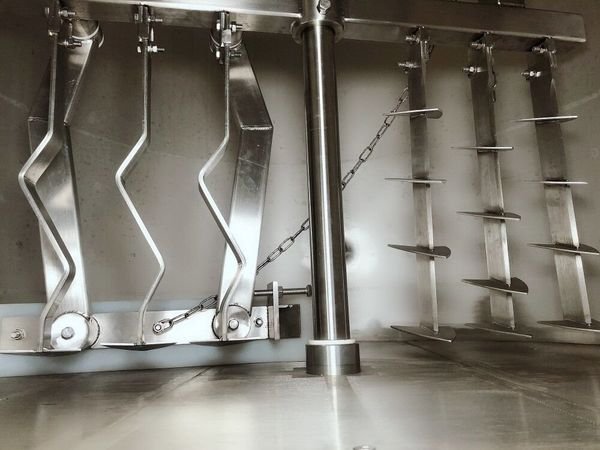
(8) Cleaning work: Clean the filter tank at the same time with the waste cleaning device and the nozzle under the sieve plate, and only need to use hot water for daily cleaning, and regularly perform CIP cleaning according to the process regulations.
A well-designed lauter tun plays an important role in achieving efficient wort filtration and maintaining consistent brewing quality.
At Tiantai Beer Equipment, we provide professional brewing solutions for breweries of all sizes. Our complete brewery equipment range covers 2HL–150HL brewing systems, including malt milling systems, brewhouses, beer fermenters, brite beer tanks, bottling machines, canning machines, kegging systems, hopping equipment, yeast propagation systems, and more.
We also supply complete auxiliary brewery systems, such as steam heating systems, piping and valves, water treatment systems, filtration equipment, air compressors, and other brewery accessories.
Whether you are planning a new brewery project or upgrading your existing brewing system, Tiantai Brewtech can provide customized solutions and professional technical support to help bring your brewing ideas to life.
👤 Cassie
📧 [email protected]