
When building a mashing workshop for craft beer, fruit wine and kombucha production, the heating method is a core selection factor. Electric heating brewhouse systems and steam heating brewhouse systems are the two mainstream solutions on the market. Many startup breweries make decisions merely based on initial budget, ignoring long-term production costs. Based on years of experience in manufacturing and exporting brewing equipment, this article compares the working principles, advantages, drawbacks and applicable scenarios of both heating solutions, helping breweries make rational choices according to site conditions and production capacity.
1. Basic Working Principles of Two Heating Methods
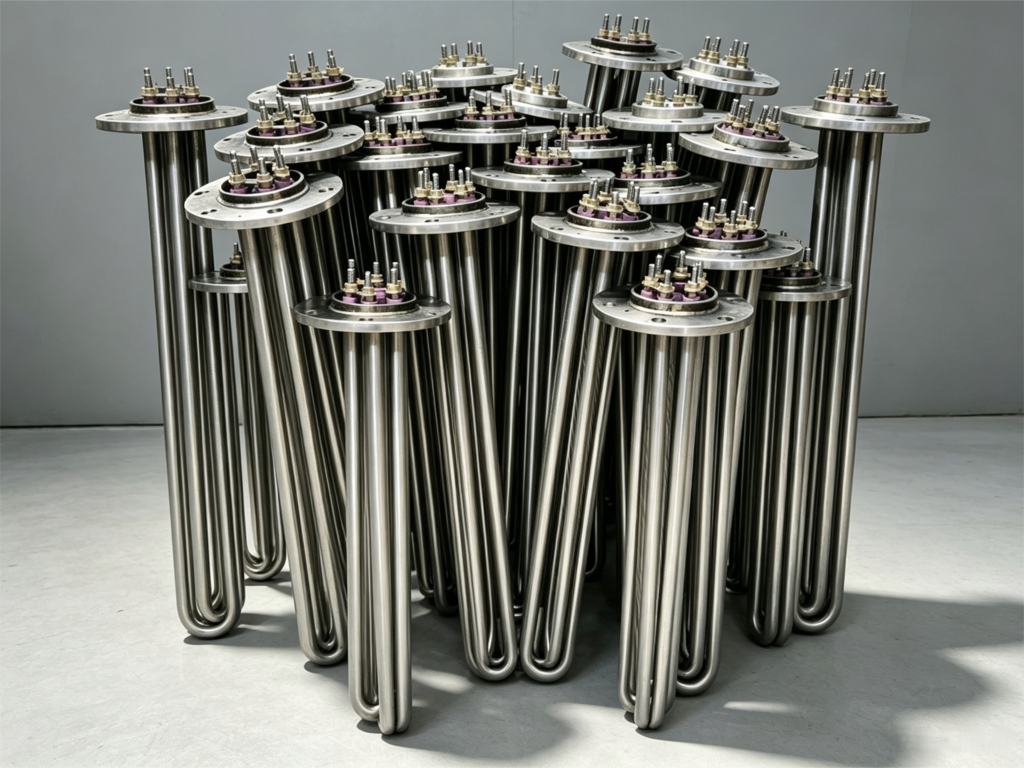
Electric Heating System
The mainstream design adopts immersion electric heating elements installed inside the boiling kettle. The heating elements generate heat directly in contact with wort when powered on. Some small-scale equipment uses electric heating jackets. Temperature is adjusted intelligently via PID modules to control temperature rise and fall. No extra boiler is required for the whole system.
Steam Heating System
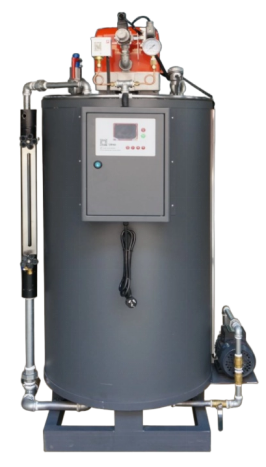
An independent steam boiler generates low-pressure steam, which flows into the jacket of the mashing kettle to heat the wort indirectly through the tank wall. The boiler can be fueled by natural gas, diesel or electricity. One boiler can supply heat simultaneously to mashing vessels, hot water tanks, CIP cleaning systems and other equipment.
2. Advantages and Disadvantages of Electric Heating Systems
Advantages
- Simple installation, lower upfront investment No extra boiler, steam pipelines, pressure relief valves and other accessories are required. A boiler room is unnecessary, saving floor space. It is ideal for urban taprooms and small craft breweries. Approval procedures are simple, without supervision requirements for high-pressure special equipment.
- Clean operation with no waste gas emission No combustion process produces flue gas, suitable for basements, shopping malls and other areas with strict fire protection and environmental regulations.
- Sensitive temperature control response PID segmented temperature control enables rapid power adjustment and temperature change, suitable for step mashing and small-batch, multi-variety brewing.
- Easy maintenance Simple structure with low daily maintenance workload. No water treatment or regular boiler annual inspection is needed.
Disadvantages
- Higher electricity cost, uneconomical for mass production For continuous large-batch brewing, the energy cost per unit of wort is obviously higher than the steam solution.
- Risk of wort scorching Immersion heating tubes contact wort directly. Insufficient stirring or low liquid level may cause local overheating, produce scorched substances and affect beer flavor.
- Strict power supply requirements for high-power equipment Mashing systems above 1000L require high-power three-phase electricity. Many old factories need circuit renovation with extra costs.
- Limited capacity ceiling Mostly applied to brewhouse systems within 1000L. Pure electric heating is not recommended for larger production capacity.
3. Advantages and Disadvantages of Steam Heating Systems
Advantages
- Indirect jacket heating, uniform heating and nearly no scorching risk Steam fills the entire tank jacket to achieve full-surface heat exchange. It is the first choice for professional medium and large breweries to guarantee stable wort quality.
- Suitable for mass production with lower long-term energy cost A single boiler can supply the whole brewhouse, hot water tanks and cleaning systems. The larger the output, the more obvious the advantage of unit production cost.
- Fast temperature rise and stable boiling intensity Steam delivers high heat exchange efficiency. The wort heats up quickly, and stable boiling state can be easily maintained to ensure sterilization and precipitation of flavor substances.
- Strong expandability The boiler can support future capacity expansion, additional fermentation equipment and cleaning systems, adapting to long-term development plans of breweries.
Disadvantages
- Higher total initial procurement cost Extra investment on boilers, insulated steam pipelines, steam traps and other accessories leads to a significantly higher overall budget.
- Independent space required, supervision of special equipment Boilers are pressure vessels. Some regions require certified operators, annual inspections and water softening treatment, bringing higher compliance requirements.
- Complex installation work The laying of steam pipelines, thermal insulation and pressure relief systems require longer construction cycles and heavy preparation work in the early stage.
4. Brief Comparison: Electric Heating VS Steam Heating
Recommended Scenarios for Electric Heating Systems
- Mashing capacity: 100L ~ 1000L small craft breweries, taproom brewing systems, laboratory pilot equipment
- Site constraints: Unable to renovate three-phase power, no space for boilers, located in shopping malls or enclosed indoor spaces
- Production mode: Single batch per day, small-batch multi-variety brewing, no short-term capacity expansion
- Strict environmental control, gas and waste gas emission are prohibited
Recommended Scenarios for Steam Heating Systems
- Mashing capacity: Medium and large craft breweries with 1000L and above brewhouse
- Long-term planning: Plan to expand production and operate stable mass production in the future
- Pursuit of consistent wort quality and strict avoidance of scorched flavor
- Factory space available for boiler room, accessible to natural gas or low-cost stable energy sources
5. Common Misconceptions Among Brewers
Misconception 1: Small equipment chooses electric heating, large equipment must adopt steam heating
Fact: Energy prices vary greatly by region. If local electricity price is low and natural gas is expensive, 1000L equipment can also choose electric heating. Calculation based on local energy prices is necessary.
Misconception 2: Steam heating inevitably increases operating costs
Fact: Distinguish upfront investment and long-term operating cost. The gap is insignificant for small-scale production. When multiple batches are brewed continuously every day, the energy advantage of steam systems will gradually emerge.
Misconception 3: Electric heating equipment always scorches wort
Fact: Properly designed power density, continuous stirring and standard liquid level operation can greatly reduce scorching risk. However, the risk is inherently higher than jacket steam heating.
6. Equipment Selection Advice from Tiantai
- Taprooms and small taproom projects with brewhouse within 500L: Prioritize electric heating to control initial investment and realize flexible installation.
- Startup breweries with 1000L ~ 2000L brewhouse: Calculate local electricity and natural gas prices, and make a choice combined with capacity plans in the next 3 years.
- Large-scale brewing factories above 2000L, stable production lines for sour beer and fruit wine: Prioritize steam heating to guarantee product consistency.
- Insufficient power supply and unable to expand three-phase electricity: Give up high-power electric heating and consider steam solutions.
There is no universally optimal heating solution. All selections must comprehensively consider production capacity, site conditions, energy costs and long-term development plans. If you are unsure whether an electric heating or steam heating brewhouse suits your project, contact Tiantai technical team for customized configuration and detailed quotations based on your brewing plan.