
Introduction
Most craft brewery buyers only focus on core brewing vessels such as mash tun, boiling kettle and fermentation tanks. They often overlook the importance of the steam supply system.
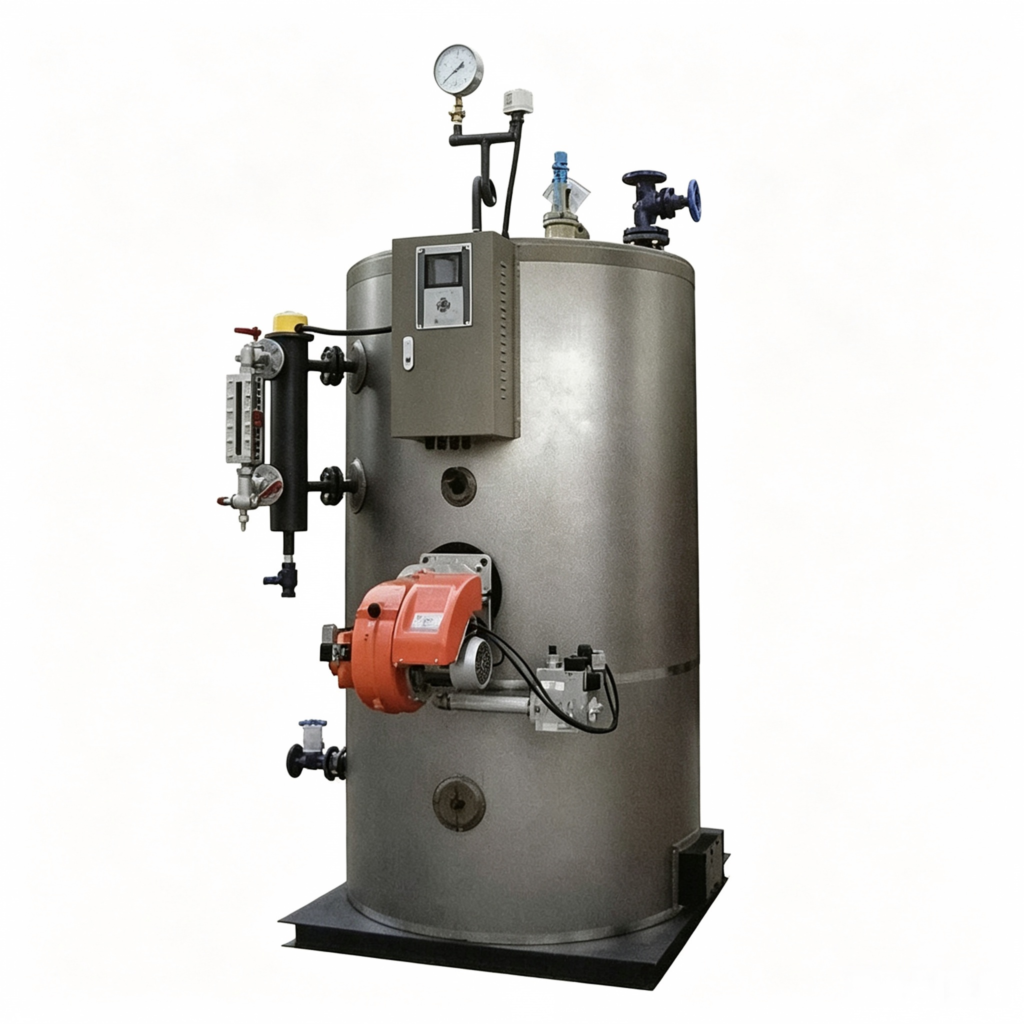
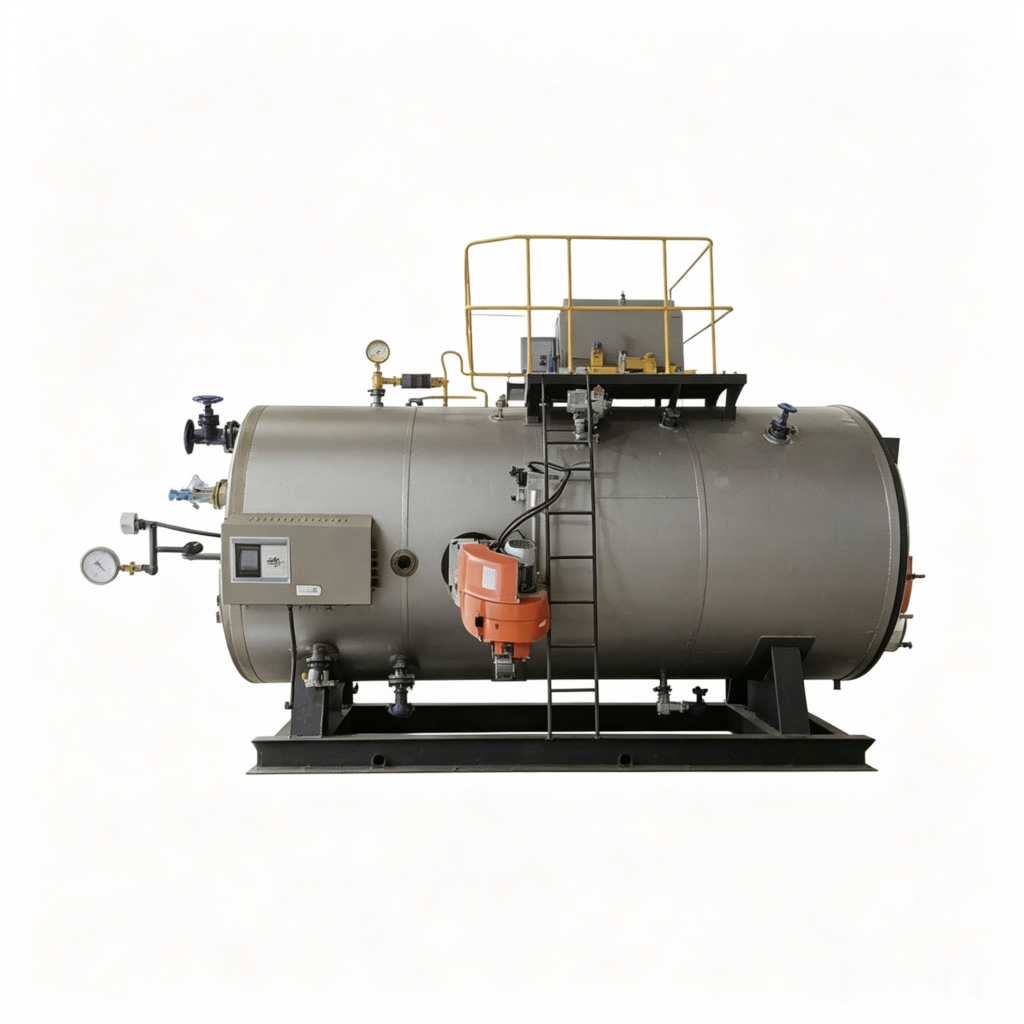
However, the steam system is the thermal core of medium and large professional breweries. It directly determines the key operating and quality indicators of the whole brewery:
-
Stability of mashing temperature rise
-
Standard compliance of wort boiling
-
Completeness of CIP cleaning and sterilization
-
Batch-to-batch beer flavor consistency
-
Long-term energy consumption cost of the brewery
To stably mass-produce high-quality craft beer, a well-matched and standardized steam supply system is indispensable.
Core Function: Stable Heat Source for Brewhouse
Mashing and wort boiling are the most heat-dependent processes in beer production, which rely heavily on a stable steam supply.
1. Constant temperature mashing, avoiding scorching and flavor deviation
Steam adopts jacket indirect heating without contacting wort directly, realizing uniform heating of the whole tank.
It accurately completes step heating processes including protein rest and saccharification rest. Unlike electric heating, it causes no local overheating, bottom scorching or burnt flavor defects.
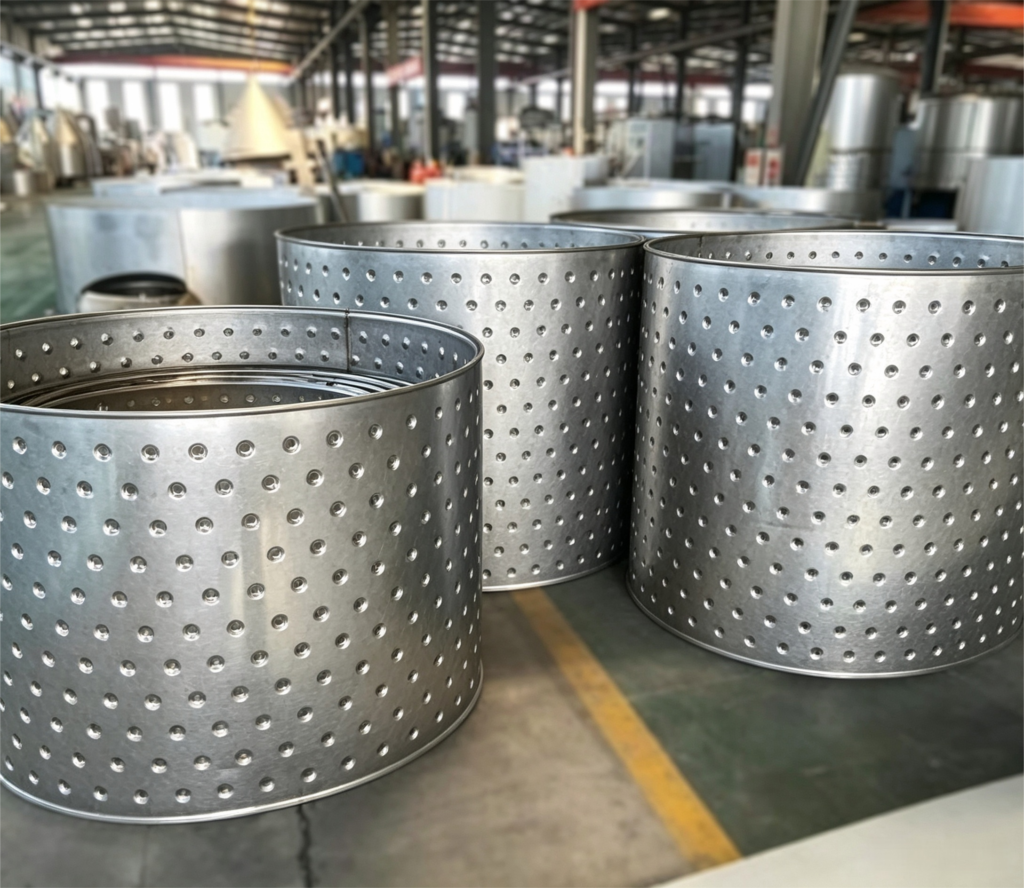
2. Stable boiling intensity to ensure consistent wort quality
Wort boiling requires continuous, powerful and stable thermal support. The advantages of steam heating are very prominent:
-
Fast temperature rising speed
-
Uniform boiling intensity
-
Effectively volatilizes undesirable flavors, coagulates protein and precipitates hop aroma
During multi-batch continuous production, the steam system maintains stable heat output without power attenuation or slow heating problems common with electric heating systems.
Guarantee Brewery Hygiene: CIP Cleaning & High-temperature Sterilization
Beer fermentation is extremely sensitive to microbial contamination. Almost all high-standard cleaning and sterilization processes in professional breweries rely on steam support.
1. Constant temperature heating for CIP cleaning media
Fermenters, pipelines and plate heat exchangers require regular cleaning with high-temperature hot water, acid and alkaline solutions.
The steam system heats all cleaning media to standard working temperature, thoroughly removing:
-
Residual yeast sediments
-
Protein dirt
-
Inner wall biofilm
Only qualified cleaning temperature can completely avoid beer contamination, rancidity and off-flavors.
2. High-temperature steam sterilization for pipelines and equipment
Professional breweries regularly inject saturated steam into closed pipelines, valves and heat exchange equipment for dry sterilization.
High-temperature steam kills heat-resistant bacteria and microbial spores, which is the core guarantee for food-grade brewing hygiene.
Process Hot Water Supply to Standardize Brewing Parameters
The whole brewing process consumes a large amount of process hot water, including strike water, sparge water and cleaning water.
The steam system continuously heats the hot water tank to keep stable water temperature for every batch, bringing two core advantages:
-
Standardize brewing parameters and reduce manual errors
-
Unify beer taste, color and fermentation performance across batches
Unstable water temperature and uneven heating are the main causes of inconsistent flavor in small breweries.
5. Improve Long-term Production Stability and Capacity Ceiling
1. Constant temperature ensures zero batch fluctuation
Saturated steam provides stable heat exchange temperature, not affected by voltage fluctuation. Its temperature control accuracy is far higher than electric heating.
It is very suitable for commercial breweries and chain craft beer brands pursuing long-term stable product quality.
2. Support continuous multi-batch mass production
Electric heating systems will face power attenuation and slower heating after continuous multi-batch operation.
The steam system can output stable thermal energy all day long, perfectly adapting to:
-
Daily multi-batch production
-
Full-load production in peak seasons
-
Factory standardized operation
Common Misconceptions and Professional Selection Guidelines
Most operational problems of breweries are not caused by poor equipment quality, but by mismatched steam system configuration.
1. Boiler capacity must match brewhouse volume
Undersized boiler: slow temperature rise, insufficient boiling strength and unstable beer quality.
Oversized boiler: unnecessary energy waste and excessive upfront investment.
2. Complete accessories determine heat exchange efficiency
A qualified steam supply system must be equipped with complete accessories:
-
Steam separator: stabilize steam dryness
-
Pressure reducing valve: stabilize working pressure
-
Steam trap: discharge condensate in time to avoid heat waste
-
Insulated pipelines: reduce heat loss
3.Practical selection standard according to brewery scale
-
Micro-brewery & Taproom (Under 300L): Electric heating is preferred for lower cost and simple operation
-
Commercial Brewery (Above 500L): Steam system is mandatory for better quality, higher capacity and lower long-term energy cost
Conclusion
The steam supply system is the thermal heart of a professional brewery. It covers the whole production process, including mashing heating, wort boiling, CIP cleaning, high-temperature sterilization and process hot water supply.
A properly configured steam system is the key to stable beer flavor, high production capacity, low operating cost and low equipment failure rate.
If you need customized boiler capacity matching, steam pipeline solutions or full brewery configuration schemes, contact the Tiantai technical team for professional selection and detailed quotations.