
When people think of beer brewing equipment, they usually associate it with beer production. But can the same equipment be used to produce malt-based beverages, especially non-alcoholic malt drinks?
Yes! Beer brewing equipment can also be used for malt beverage production. Since both products share similar upstream processes, such as malt milling, mashing, and wort separation, many brewing systems can be used directly or adapted to meet different production requirements.
Let’s take a look at how it works.
1. Which Beer Brewing Equipment Can Be Used?
The main purpose of the brewing process is to extract sugars and other soluble substances from malt to produce wort. This process is also essential for most malt-based beverages.
The following equipment can generally be shared:
- Malt Mill: Crushes malted barley or other grains before mashing.
- Mash Tun: Mixes malt with hot water to convert starch into fermentable and non-fermentable sugars.
- Lauter Tun: Separates liquid wort from spent grain.
- Wort Kettle: Provides thermal treatment and can be used for boiling the wort when required by the recipe.
- Wort Cooling System: Cools the prepared wort to the required temperature for subsequent processing.
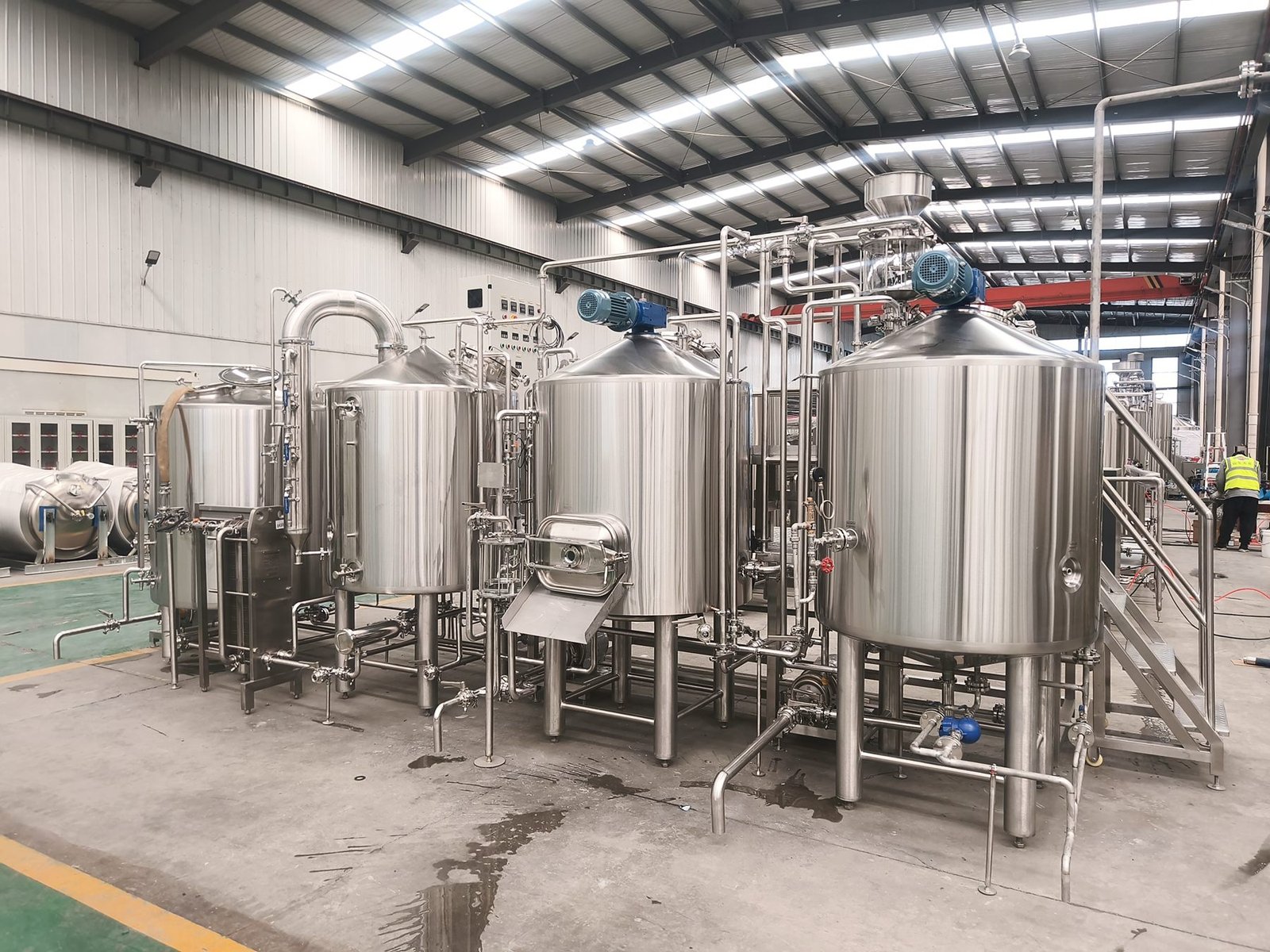
Depending on the product recipe, a traditional four-vessel brewhouse may not be necessary. A two-vessel or three-vessel system can also be designed for malt beverage production.
2. What Happens After Wort Preparation?
The main difference between beer and non-alcoholic malt beverage production lies in the downstream processing.
Traditional beer requires alcoholic fermentation, while non-fermented malt beverages do not.
For non-fermented malt drinks, the prepared wort can be transferred to a blending tank, where sugar, flavors, fruit ingredients, or other additives can be introduced according to the product formulation.
Additional equipment may include:
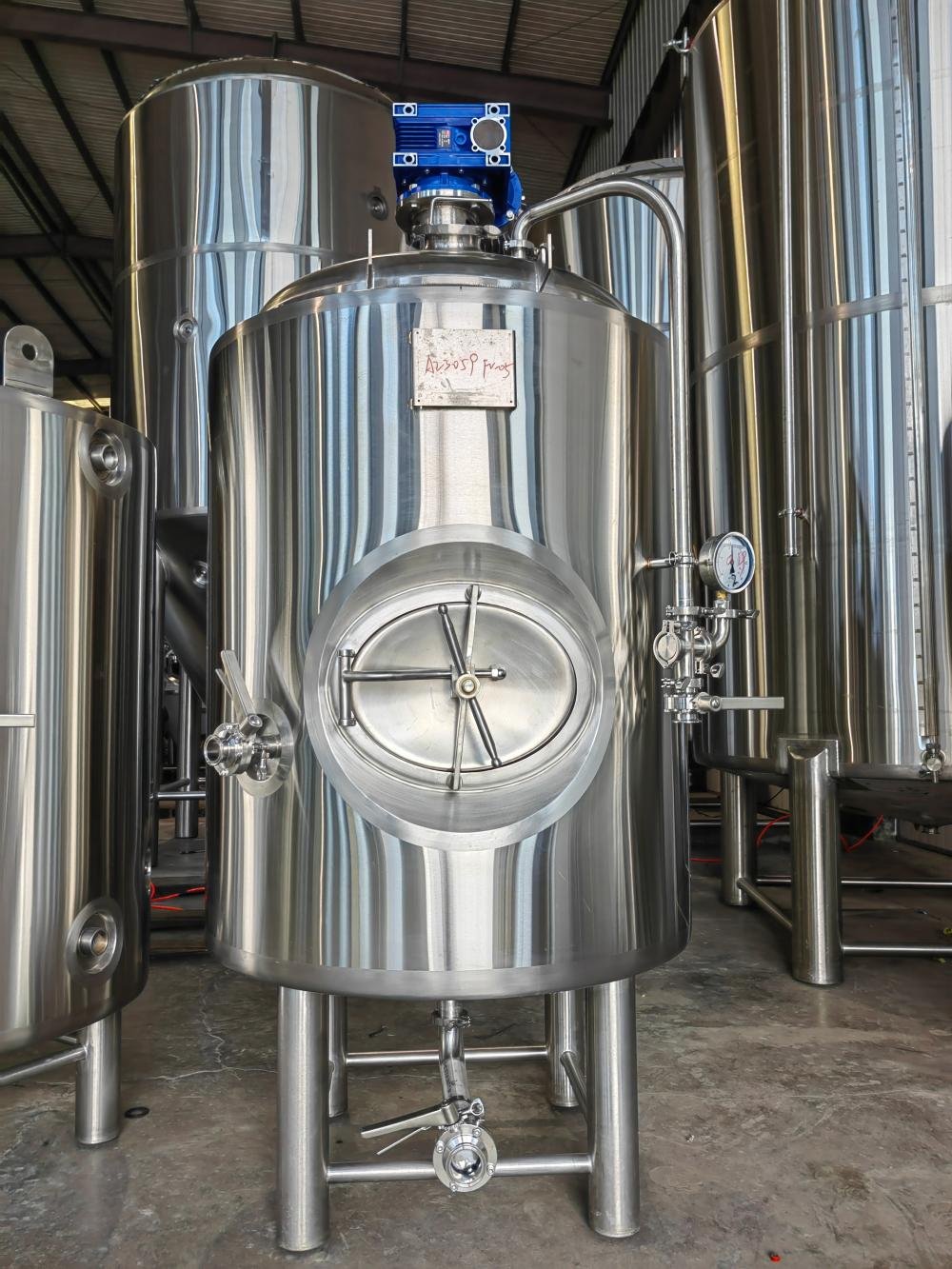
- Blending Tanks: For mixing wort with other ingredients and adjusting the final product.
- Filtration System: For removing suspended particles and achieving the desired clarity.
- Pasteurization System: For improving microbiological stability and extending shelf life.
- Carbonation System: For producing sparkling or carbonated malt beverages.
A typical production flow is:
Malt Milling → Mashing → Lautering → Wort Thermal Treatment → Cooling → Ingredient Blending → Filtration → Pasteurization → Filling
The actual process depends on the product formulation, pH, packaging type, and required shelf life.
3. Can Existing Breweries Be Used for Malt Beverage Production?
In many cases, yes.
Existing breweries may reuse their brewhouse, wort cooling system, and some stainless steel tanks to manufacture malt-based beverages. This can help reduce investment costs when expanding into new product categories.
However, several factors should be evaluated before making changes:
- Existing equipment capacity and configuration
- Product formulation and processing requirements
- Whether fermentation is required
- Filtration and pasteurization requirements
- Finished product storage and packaging conditions
For example, some existing fermentation tanks may be suitable for use as blending or processing tanks, provided their design and sanitary configuration meet the new requirements.
4. Customized Malt Beverage Production Solutions
At Tiantai, we provide customized brewing and beverage processing equipment for different production requirements.
Whether you are planning a new non-alcoholic malt beverage production line or looking to expand an existing brewery, our team can help evaluate which brewing equipment can be reused and what additional systems may be required.
To develop a suitable solution, we recommend starting with a few key details:
- What type of malt beverage do you plan to produce?
- What is your target production capacity per batch or per day?
- Will the product be fermented, carbonated, or flavored?
- What packaging format will you use?
With the right equipment configuration, a conventional beer brewing system can become a versatile production solution for a wider range of malt-based beverages.
Contact Tiantai to discuss your project and explore a customized equipment solution.
👤 Cassie
📧 [email protected]