
After lautering, the clear sweet wort flows into the kettle. Wort boiling is far more than simply bringing the liquid to a rolling boil. It acts as a pivotal process that shapes the flavour, clarity and shelf stability of the finished beer. Many new brewers underestimate this stage, viewing it only as a step for adding hops. In fact, boiling fulfils multiple vital tasks within a short period, laying the fundamental character of the final beer.
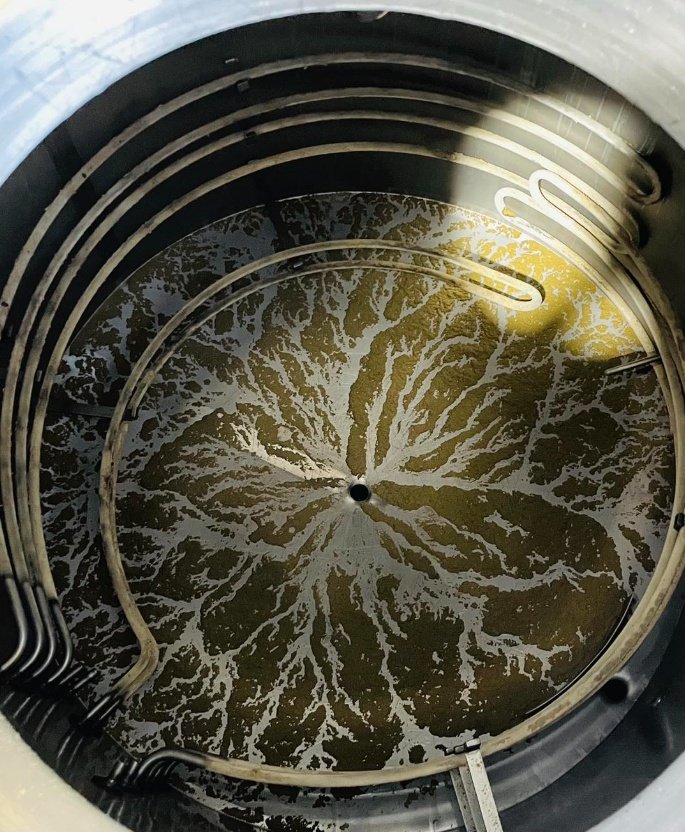
First of all, boiling enables the conversion of hop compounds. Raw alpha acids from hops are barely soluble in wort. Only under sustained boiling heat can they undergo isomerisation and turn into balanced bitter substances that build the beer’s bitterness profile. Brewers control flavour outcomes by staggering hop additions. Early hop additions contribute steady bitterness, while late additions preserve fresh floral and fruity aromas. A consistent, full boil is essential for good hop utilisation. Insufficient boiling leads to harsh, weak bitterness that fails to match the intended flavour design.
Secondly, boiling deactivates residual enzymes and locks the wort composition. During mashing, natural enzymes from malt break down starch into fermentable sugars. Even after lautering, trace active enzymes remain in the wort. Without high-temperature boiling to stop enzyme activity, these enzymes will keep modifying the sugar structure. This causes inconsistent original gravity, sweetness and body batch by batch, making fermentation unpredictable. Boiling effectively stops the mashing reaction and delivers a stable feedstock for fermentation.
Thirdly, boiling promotes the formation of hot break, improving wort clarity and beer stability. At boiling temperatures, excess large protein molecules and polyphenols bind together and form flocculent precipitates known as hot break. If these impurities remain in the wort, they create permanent haze and trigger chill haze during storage, shortening the beer’s shelf life. Proper boiling encourages flocculation. These solids can then be separated efficiently in the whirlpool, supporting a bright beer and reducing risks of oxidation and cloudiness.
Fourthly, boiling achieves pasteurisation and reduces contamination risks. Sweet wort is rich in nutrients and vulnerable to wild yeast, lactic acid bacteria and other unwanted microbes picked up during mashing and lautering. Vigorous boiling kills most harmful microorganisms, forming an important sanitation barrier before fermentation. It cannot achieve full sterile conditions alone, yet it greatly lowers the chance of sour off-flavours and beer spoilage.
Besides these key functions, boiling evaporates water to adjust wort gravity and strips unwanted volatile off-flavours. The wort from lautering is usually dilute. Controlled evaporation concentrates it to the target gravity set by the recipe, which determines alcohol content and mouthfeel. Steam released during boiling also drives off dimethyl sulphide (DMS), a compound that creates unpleasant cooked corn or vegetable notes, one of the common flavour defects in small breweries and homebrew. Mild Maillard reactions also take place during boiling, generating melanoidins that add natural colour and rich, rounded malt character.
The design of the brew kettle directly affects boiling performance. Stable heating power, gentle agitation to prevent scorching and controllable evaporation rates support even rolling boil. Under-boiling leaves behind off-flavours, poorly converted hops and suspended solids. Over-boiling darkens the wort excessively, creates rough flavours and wastes fermentable sugars.
Sitting between mashing and fermentation, boiling serves as a critical transition stage. It unlocks the potential of malt and hops and produces clean, consistent, fermentable wort. Mastering wort boiling and choosing a reliable boiling kettle help breweries produce clean, bright beer with consistent quality across every batch.