
Starting a microbrewery is an exciting opportunity for entrepreneurs and craft beer enthusiasts. However, turning an idea into a successful brewing business requires more than just a good beer recipe. Choosing the right brewing equipment is one of the most important steps in setting up a microbrewery.
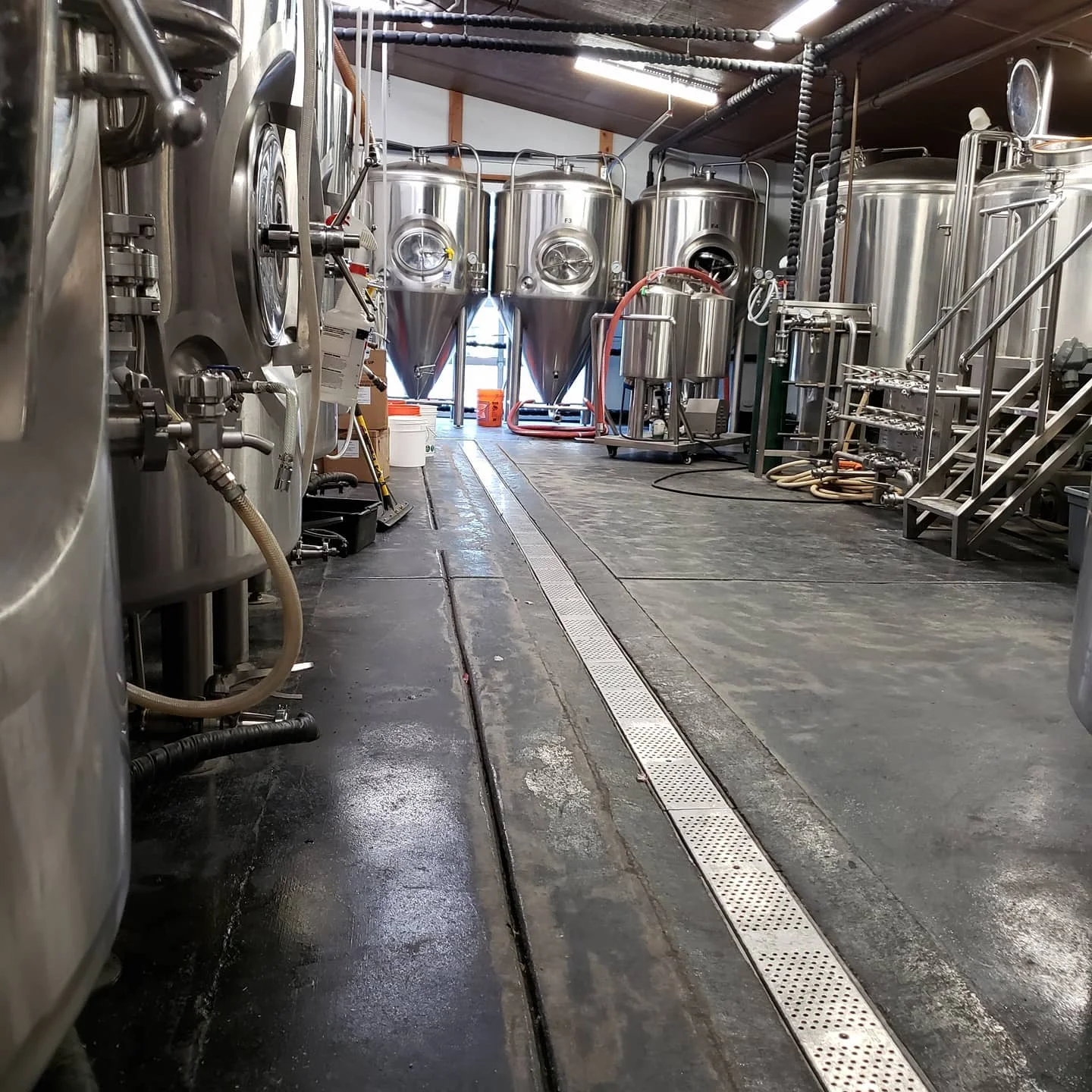
Whether you are planning a small craft brewery, a brewpub, or a commercial microbrewery, understanding the essential equipment and its functions will help you build an efficient production system and make better investment decisions.
So, what equipment do you actually need to run a microbrewery? Let’s take a closer look.
1. Malt Milling System
The brewing process starts with malt preparation. Before mashing, malted grains need to be crushed to expose the starch inside while keeping the husks relatively intact.
A malt milling system typically includes:
- Malt Mill: Crushes malt into grist for the brewing process.
- Malt Hopper: Stores malt before milling.
- Grain Conveying System: Transfers crushed malt to the mash tun, reducing manual handling.
For smaller breweries, a two-roller or four-roller malt mill is usually sufficient. Larger systems may require automated grain handling and conveying equipment to improve production efficiency.
2. Brewhouse System
The brewhouse is the heart of a microbrewery. It is where the main brewing operations take place, including mashing, lautering, boiling, and whirlpooling.
Depending on production capacity and brewing requirements, a brewhouse can be configured with two, three, or four vessels.
Common brewhouse configurations include:
2-Vessel Brewhouse
Usually combines the mash tun and lauter tun in one vessel, with a separate kettle and whirlpool vessel. It is a compact and cost-effective option for smaller breweries.
3-Vessel Brewhouse
Typically consists of a mash/lauter tun, a brew kettle, and a whirlpool tank. It offers greater operational flexibility and is suitable for breweries with moderate production requirements.
4-Vessel Brewhouse
Usually includes a mash tun, lauter tun, brew kettle, and whirlpool tank as four independent vessels. This configuration allows more flexible operation and can support higher brewing efficiency and production capacity.
The main equipment includes:
- Mash Tun: Mixes crushed malt with hot water to convert starches into fermentable sugars.
- Lauter Tun: Separates the sweet wort from spent grains.
- Brew Kettle: Boils the wort and allows hop additions to develop the desired bitterness and aroma.
- Whirlpool Tank: Separates hop particles and protein coagulates from the wort.
- Wort Heat Exchanger: Rapidly cools hot wort to the appropriate fermentation temperature.
The choice of brewhouse configuration should depend on your target production volume, daily brewing schedule, available space, and investment budget.
3. Fermentation Tanks
After wort cooling, the wort is transferred into fermentation tanks, where yeast converts fermentable sugars into alcohol and carbon dioxide.
Fermentation is a critical stage in beer production because it directly influences the beer’s flavor, aroma, alcohol content, and overall quality.
The most common choice for a microbrewery is a Unitank Fermenter (Cylindroconical Fermentation Tank).
A unitank is designed to perform multiple functions, including:
- Primary fermentation
- Yeast collection and removal
- Beer maturation
- Carbonation
- Cold storage
Stainless steel conical fermenters are widely used because they are hygienic, durable, easy to clean, and suitable for temperature-controlled fermentation.
When selecting fermentation tanks, consider:
- Working volume and batch size
- Number of tanks required
- Fermentation and maturation time
- Brewing frequency
- Different beer styles and production schedules
For example, having several fermentation tanks allows a brewery to produce different beer styles simultaneously and maintain a more continuous production schedule.
4. Bright Beer Tanks (BBTs)
Once fermentation and maturation are completed, beer can be transferred to bright beer tanks for final clarification, carbonation adjustment, and temporary storage before packaging.
Bright beer tanks are also known as serving tanks or conditioning tanks, depending on their application.
Their main functions include:
- Storing finished beer
- Maintaining carbonation levels
- Allowing final beer conditioning
- Supplying beer to bottling, canning, kegging, or draft beer systems
For breweries that sell beer in bottles, cans, or kegs, BBTs are an important part of the production line.
For brewpubs, they can also be used to supply finished beer directly to the draft beer dispensing system.
5. Cooling System
Temperature control is essential throughout the brewing process, especially during fermentation and beer maturation.
A brewery glycol cooling system typically consists of:
- Glycol Chiller: Produces chilled glycol solution.
- Glycol Water Tank: Stores the chilled glycol mixture.
- Glycol Circulation Pumps: Deliver chilled glycol to different tanks.
- Glycol Piping: Connects the cooling system with fermentation and bright beer tanks.
The glycol system maintains the required temperatures in fermentation tanks and helps ensure consistent beer quality.
The cooling capacity should be calculated according to the number and volume of tanks, fermentation schedules, ambient conditions, and the required temperature drop.
6. CIP Cleaning System
Cleaning and sanitation are essential for maintaining beer quality and preventing contamination.
A Clean-in-Place (CIP) system allows tanks and pipelines to be cleaned without dismantling the equipment.
A typical CIP system includes:
- Stainless steel cleaning tanks
- CIP pumps
- Heating elements or a heating system
- Cleaning solution circulation pipelines
- Spray balls or rotary cleaning devices
Depending on the brewery’s production scale, the CIP system can be designed as a manual, semi-automatic, or fully automatic system.
A properly designed CIP system helps reduce manual cleaning work, improve cleaning consistency, and maintain high hygiene standards.
7. Beer Transfer and Piping System
A complete microbrewery also needs a sanitary piping system to connect different production units.
This includes:
- Wort transfer pumps
- Beer transfer pumps
- Stainless steel pipelines
- Sanitary valves and fittings
- Hoses and connections
The piping layout should be designed according to the brewing process, equipment arrangement, and cleaning requirements.
Proper pipeline design helps minimize product loss, avoid unnecessary transfer steps, and make cleaning and maintenance easier.
8. Beer Packaging Equipment
Once the beer is ready, it needs to be packaged for distribution or served directly to customers.
The packaging equipment depends on the brewery’s business model and target market.
Common packaging options include:
- Beer Bottling Machine: Fills beer into glass bottles or PET bottles.
- Beer Canning Machine: Packages beer in aluminum cans, suitable for retail distribution.
- Beer Keg Filling Machine: Fills beer into stainless steel kegs for bars, restaurants, and distributors.
- Labeling Machine: Applies labels to bottles or cans.
- Date Coding Machine: Prints production dates and batch information.
A small microbrewery may initially choose a semi-automatic bottling or keg filling machine. As sales grow, packaging capacity can be expanded with more automated equipment.
9. Water Treatment System
Water is one of the main ingredients in beer, and its quality has a significant influence on the final product.
A water treatment system helps ensure that the brewing water meets the required quality standards.
Depending on the source water and brewing requirements, the system may include:
- Sand filters
- Activated carbon filters
- Water softeners
- Reverse osmosis (RO) systems
- Water storage tanks
Water treatment requirements should be determined by analyzing the local water quality and the desired beer styles.
10. Other Supporting Equipment
In addition to the main brewing equipment, several supporting systems are needed to ensure smooth daily operations.
Air Compressor
Provides compressed air for pneumatic valves, actuators, and other pneumatic equipment.
Steam Boiler or Heating System
Provides heat for mashing, wort boiling, and other heating requirements. The heating method can be selected according to local energy availability and production needs.
Electrical Control System
Controls and monitors the brewing process, including pumps, motors, heating, cooling, and temperature settings. Depending on the automation level, the brewery can use manual controls, PLC systems, or touchscreen interfaces.
Tiantai Brewtech was established in 2012, we have been focusing on beer equipment production for more than 20 years. We provide 2-150HL brewery equipment including brewing system, brite tank, fermenter, filling system etc. Distillation equipment, kombucha equipment, and cider fermenters are also on our list. We also provide complete service from consulting, design, manufacturing to transportation, installation, after-sales service. So far, We have helped more than 2300+ breweries with their projects. If you have any requirements about brewery equipment, please feel free to contact us. We shall be honored to do our best to support your project in any way we can.
👤 Cassie
📧 [email protected]