
Proper operation, regular cleaning, and routine maintenance are essential for keeping craft brewing equipment safe, hygienic, and reliable. The following tips can help operators maintain the equipment and avoid common problems during daily brewery operations.
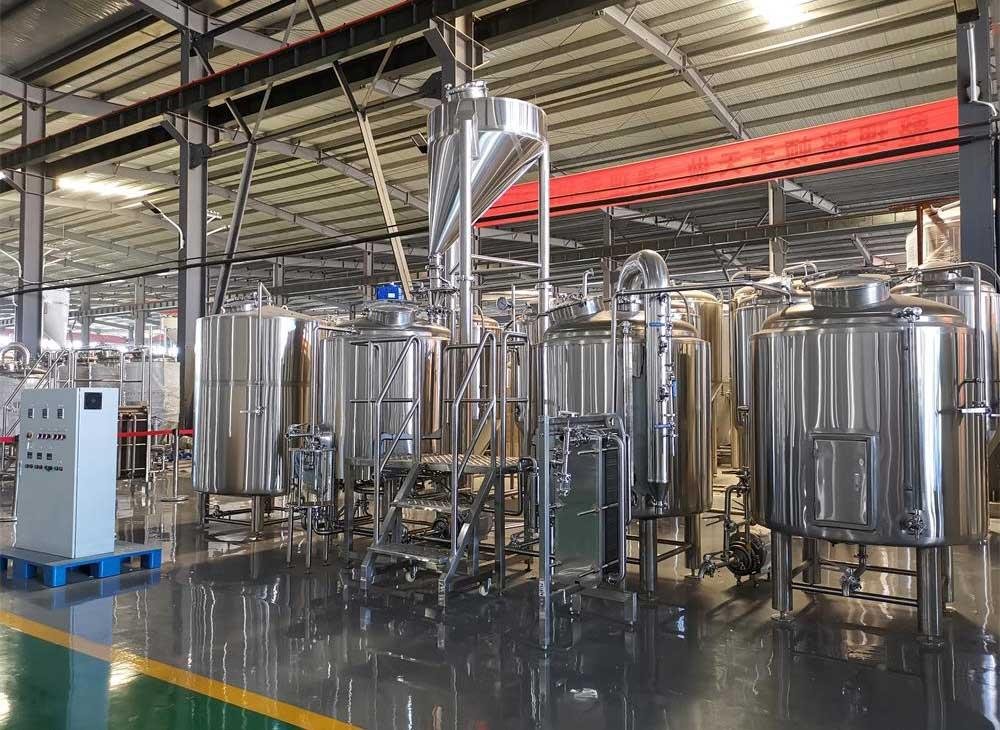
1. Cleaning and Disinfection
- Do not use detergents or disinfectants containing chlorine (Cl) for cleaning stainless steel brewery equipment, as chlorine-containing chemicals may cause corrosion or damage to stainless steel surfaces.
- If the equipment will not be used for an extended period, clean it thoroughly before shutting it down. After the water has been completely drained, close all relevant valves. Before restarting the equipment after a long period of inactivity, clean and sanitize it thoroughly. The cleaning process can be repeated several times if necessary.
- The mashing equipment should be rinsed with clean water promptly after each use. The mashing pipeline, plate heat exchanger, and wort pipeline should also be thoroughly rinsed to prevent wort residue from accumulating.
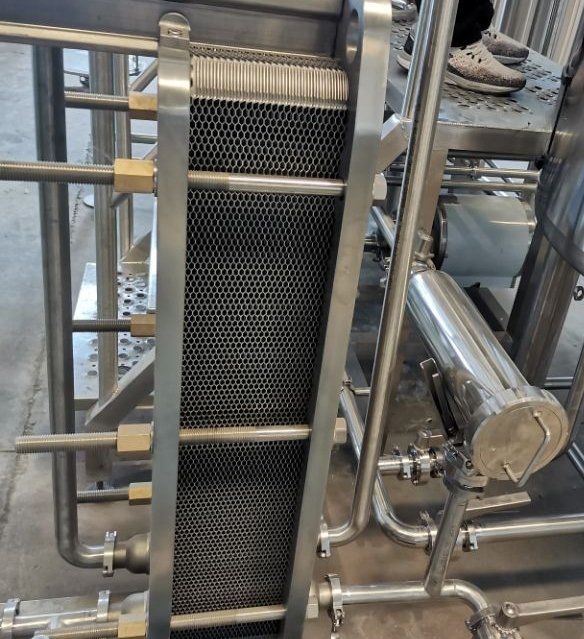
2. Plate Heat Exchanger Maintenance
- The plate heat exchanger should be disassembled and thoroughly cleaned after long-term operation or when necessary.
- Do not use metal brushes or other hard tools that may damage the plates during cleaning.
- Do not bend, twist, step on, or squeeze the heat exchanger plates, as deformation may affect sealing and heat-transfer performance.
- Regularly check the plate heat exchanger for any signs of leakage. If leakage is found, stop the equipment and repair or replace the relevant components in time.
3. Motors, Pumps, and Mechanical Components
- Regularly check the wiring and grounding of each motor and pump to ensure that all electrical connections are correct and secure.
- Check the oil level of geared motors and hydraulic devices. Lubricate the stirring motor regularly according to the manufacturer’s instructions.
- Regularly check whether the connecting parts of the agitator and tiller are properly tightened.
- Pumps should not be allowed to run dry or operate in reverse. If leakage is found around a pump seal, replace the seal in time.
4. Malt Mill Maintenance
- Regularly check the hopper of the malt mill for foreign objects before operation.
- Check whether the fasteners are properly tightened and whether the drive belt has the correct tension.
- Check all safety protection devices to ensure they are functioning properly.
- Clean the mill rollers regularly to maintain stable milling performance.
5. Steam Heating and High-Temperature Components
- Regularly check the pressure gauges and safety valves of the steam heating system to ensure they are functioning normally.
- Make sure the steam traps remain unobstructed and operate properly.
- Never turn on the heating system before the required liquid level has been reached.
- During operation, warning signs should be provided around high-temperature components such as steam pipelines, wort pipelines, and the top of the mashing equipment to help prevent accidental burns.
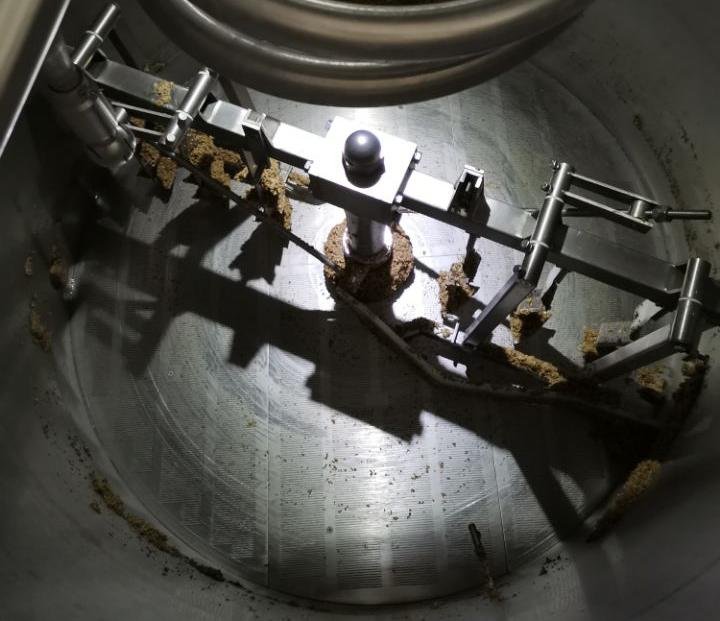
6. Lautering and Sieve Plate Protection
- Avoid extracting wort at an excessively high flow rate during lautering, as excessive flow may damage or deform the sieve plate.
- When the equipment is not in use, do not place heavy objects on the sieve plate.
- During operation, make sure all mechanical components run smoothly and without abnormal noise or vibration.
7. Pipeline and Valve Inspection
- Regularly inspect all process pipeline valves and connections. If any leakage is found, repair or replace the relevant component promptly.
- Do not use the process pipelines, cooling pipelines, or exhaust pipes as steps, handrails, or climbing supports.
8. Alkaline Cleaning Solution
- Regularly check the concentration of the alkaline cleaning solution in the alkaline water tank.
- If the concentration becomes too low or the cleaning solution becomes excessively turbid, it should not continue to be used for cleaning. Replace the cleaning solution as necessary according to the cleaning procedure.
9. Instrumentation and Temperature Control
- Regularly check the readings and indications of the instruments on the electrical control panel.
- The accuracy of digital temperature controllers should be checked periodically. A suitable calibrated thermometer can be used as a reference to verify the displayed temperature and ensure accurate process control.
10. Equipment Maintenance Safety
- Before carrying out maintenance or repair work, shut down the equipment and disconnect the power supply.
- A warning sign should be clearly displayed during maintenance to prevent accidental operation or restart of the equipment.
Complete Craft Brewing Equipment Solutions from Tiantai
Proper operation and regular maintenance not only help protect brewery equipment, but also contribute to stable brewing performance, better hygiene, and a longer equipment service life.
If you are planning a new brewery or upgrading an existing brewing system, Tiantai can provide complete brewing equipment solutions based on your production capacity, brewing process, and available space.
We supply 2–150HL complete beer brewing systems, including malt milling systems, brewhouse systems, wort cooling systems, beer fermentation tanks, bright beer tanks, CIP systems, beer filling and packaging equipment, kegging systems, hopping equipment, and other supporting brewery equipment.
From process consultation and equipment design to manufacturing, transportation, installation, and after-sales service, our experienced team can support your brewery project throughout the entire process.
For customized brewery equipment and technical solutions, feel free to contact Tiantai and tell us about your brewing project.
👤 Cassie
📧 [email protected]