
Wort cooling is a key process connecting mashing and fermentation. The cooling speed directly determines the quality of each batch of beer. Many brewers underestimate this step. Beer yeast can only ferment at low temperature. After whirlpool separation, hot wort must be cooled down to target fermentation temperature before yeast pitching.
Long cooling time keeps wort staying in the medium temperature zone, where harmful microorganisms easily grow. It may cause wort contamination, sour taste or off-flavors, and even ruin the whole batch of beer. Therefore, fast, stable and sanitary wort cooling is a necessary process in craft brewing. Plate heat exchangers are core equipment for rapid wort cooling. They are divided into one-stage and two-stage types to meet cooling demands of breweries of different sizes.
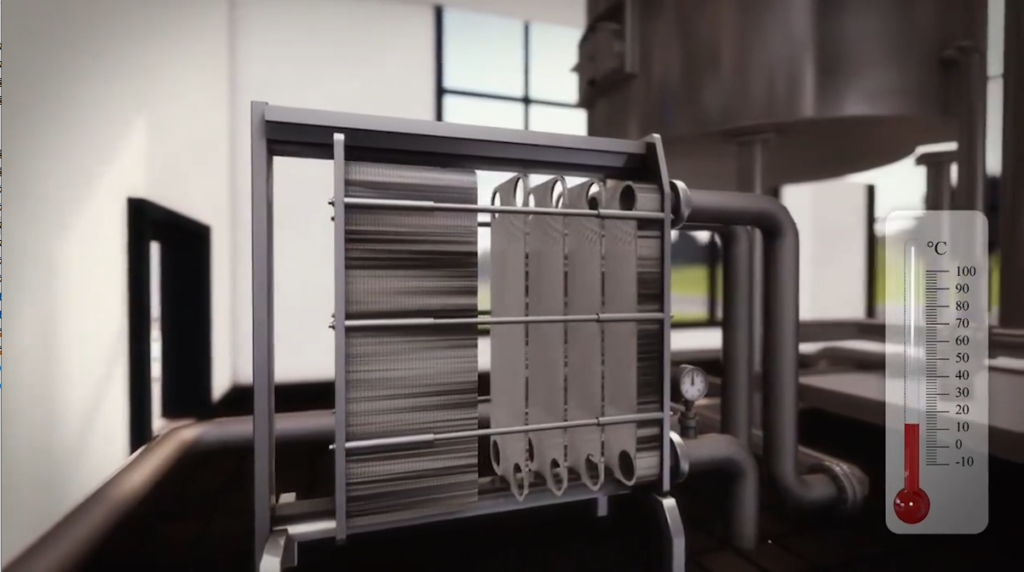
Process Value of Fast Wort Cooling
Yeast fermentation activity is very sensitive to temperature. Hot wort will kill yeast directly, so we cannot pitch yeast into hot wort. After removing hot trub in the whirlpool tank, hot wort must be cooled to the fermentation temperature.
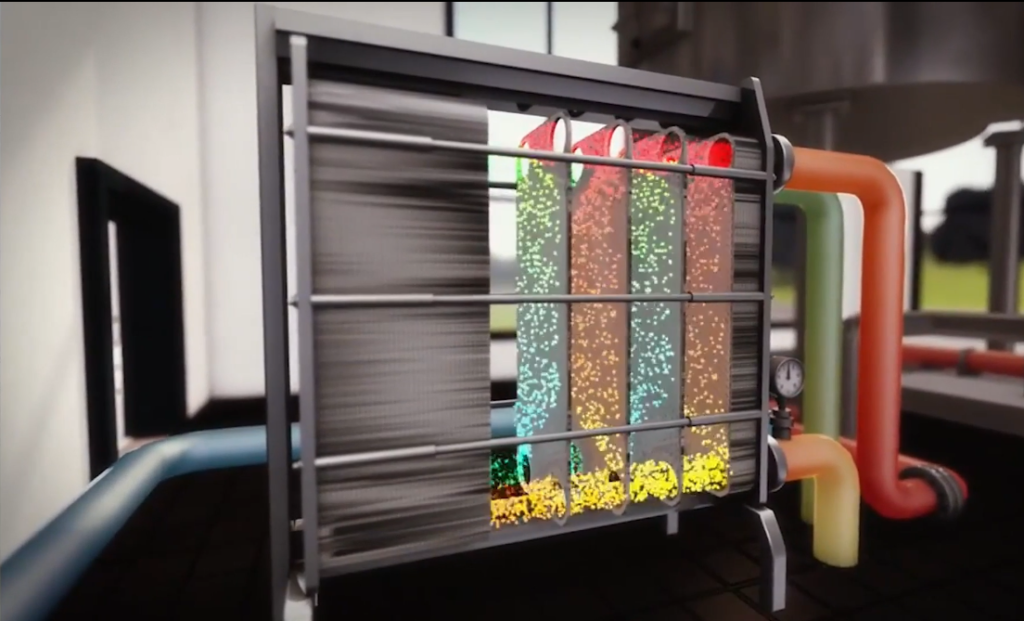
Cooling duration matters a lot. Between 20℃ and 60℃, wort is in a danger zone where bacteria and lactic acid bacteria multiply rapidly. The longer wort stays in this range, the higher contamination risk. Fast cooling shortens this exposure time and protects fresh wort flavor. Quick cooling also helps separate hot and cold trub, reducing flavor interference in later fermentation. Stable batch production requires us to shorten cooling time and bring wort down to fermentation temperature rapidly.
Core Cooling Equipment: Plate Heat Exchanger
In commercial craft breweries, plate heat exchanger is widely used for wort cooling. It is built with food-grade stainless steel, assembled by many thin plates with grooves on both sides.
Compared with other cooling equipment, plate heat exchangers have obvious strengths. They take up little floor space and fit compact brewhouse rooms. The design is flexible; users can add or remove plates according to production capacity. The sealing between plates is reliable, preventing cross mixing between wort and cooling medium, so the operation is safe. It also supports CIP cleaning for easy sanitary maintenance.
The cooling principle relies on counter flow heat exchange. Hot wort and cooling medium flow in opposite directions along grooves on two sides of plates. The two fluids do not touch each other. Heat transfers through stainless steel plates. Heat from hot wort passes to the cooling medium and the wort temperature drops. Counter flow creates a large temperature difference and delivers much higher heat exchange efficiency than ordinary coil cooling.
One-stage Cooling VS Two-stage Cooling
Plate heat exchangers have two types: one-stage cooling and two-stage cooling, for different brewery applications.
One-stage Plate Cooling
One-stage cooling only uses brewing water as the cooling medium. It has simple structure and lower investment cost. Brewing water absorbs heat from wort. It suits small brewpubs and projects without strict cooling speed requirements.
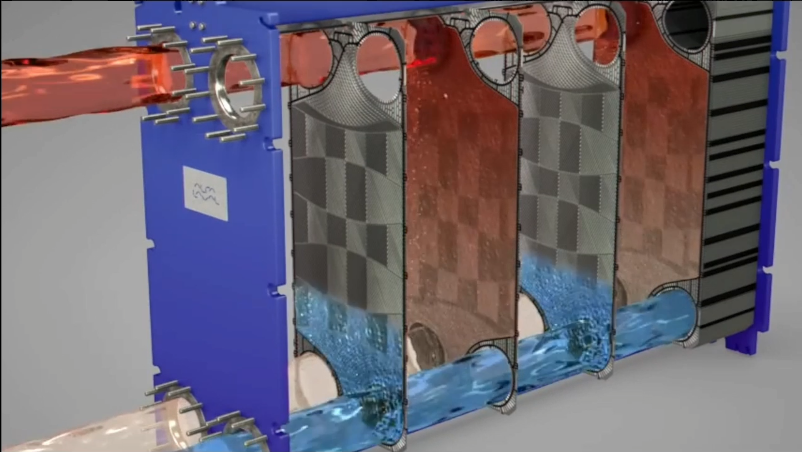
Its limitation is obvious. The cooling capacity depends on the temperature of brewing water. In hot summer, water temperature rises and it becomes hard to cool wort to low fermentation temperature, and cooling speed slows down.
Two-stage Plate Cooling
Two-stage plate cooling is a high-efficiency solution with two heat exchange sections. In the first stage, brewing water removes most heat from wort. In the second stage, low-temperature coolant carries out further deep cooling.
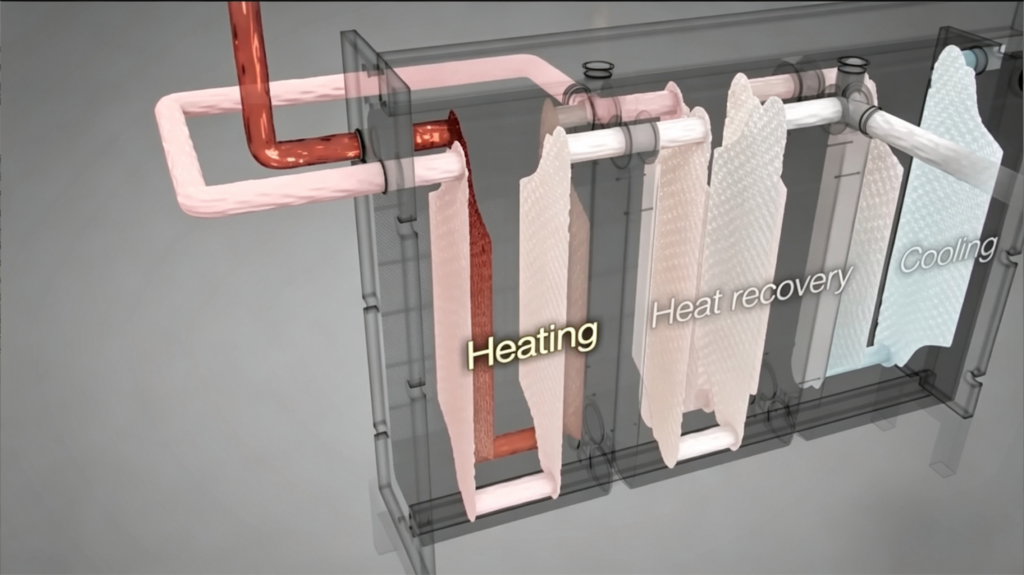
The coolant is mixed ethylene glycol and water in a proper ratio, normally kept at -5℃ ~ -3℃. The low-temperature glycol solution quickly takes away remaining heat. It can cool wort down to low fermentation temperature in a short time and is not affected by ambient water temperature.
The biggest advantage of two-stage plate heat exchanger is faster cooling speed. It is ideal for breweries producing lager beer requiring low fermentation temperature, or large production lines that demand rapid cooling. It needs a chiller unit, but cooling performance stays stable all year round, unaffected by seasonal water temperature changes, and keeps cooling time consistent for every batch.
Tiantai Plate Heat Exchanger Recommendation
Tiantai brewhouse systems are equipped with food-grade stainless steel plate heat exchangers, available in one-stage and two-stage options for small brewpubs and medium commercial breweries. Polished heat exchange plates reduce dead zones and support full CIP cleaning, lowering contamination risks.
Counter-flow design ensures high heat exchange efficiency. The compact structure saves workshop space, and durable gaskets prevent fluid cross leakage. New small breweries can choose one-stage plate heat exchangers to control budget. For users who need low-temperature fermentation and ultra-fast cooling, two-stage plate heat exchanger matched with glycol chiller is recommended. It rapidly cools wort, cuts the time wort spends in the dangerous temperature zone, preserves fresh wort flavor, reduces contamination risks and builds a stable environment for yeast fermentation.
Wort cooling is not just temperature reduction. It is a vital process to protect wort and avoid contamination. Shorten cooling time with plate heat exchangers. One-stage type is simple and cost-saving, while two-stage type provides faster cooling and stable temperature control. Select the proper plate heat exchanger based on beer styles, site conditions and production capacity. It helps finish wort cooling efficiently and prepares for yeast pitching and stable fermentation.