
Choosing the right material for your wort grant is an important decision for any brewery. At Tiantai Company, we understand the importance of selecting the best material for your specific needs.
Here, we’ll compare the two most popular materials for wort grants – glass and stainless steel – to help you make an informed decision.
1. Glass Wort Grant in Brewery Equipment
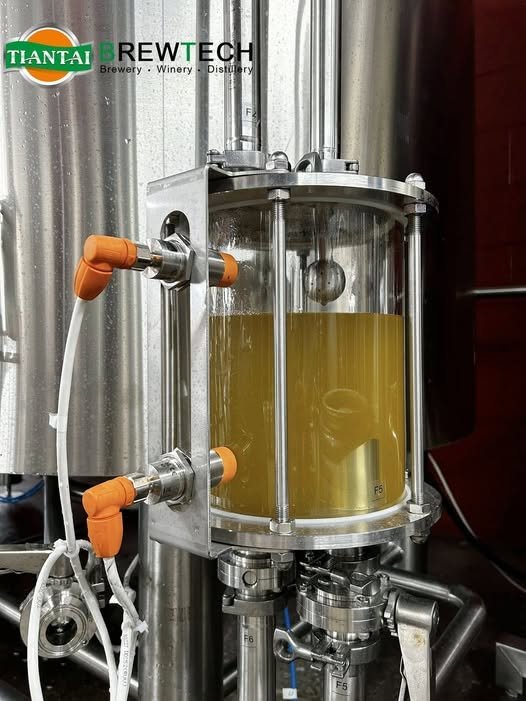
Advantages
Visibility
One of the main advantages of glass wort grants is their transparency. This allows brewers to visually monitor the flow and clarity of the wort during the lautering process, ensuring optimal filtration and identifying any issues immediately.
Chemical Inertness
High-quality glass is chemically inert, meaning it does not react with the wort. This ensures that the taste and quality of your brew are preserved without any contamination.
Disadvantages
Fragility
Glass, while durable, is more prone to breaking compared to stainless steel. This can be a significant drawback in a busy brewing environment where equipment is frequently handled.
Heat Resistance
Although glass can withstand high temperatures, it is generally less heat-resistant than stainless steel, particularly in extreme temperature fluctuations.
2. Stainless Steel Wort Grant in Brewery Equipment
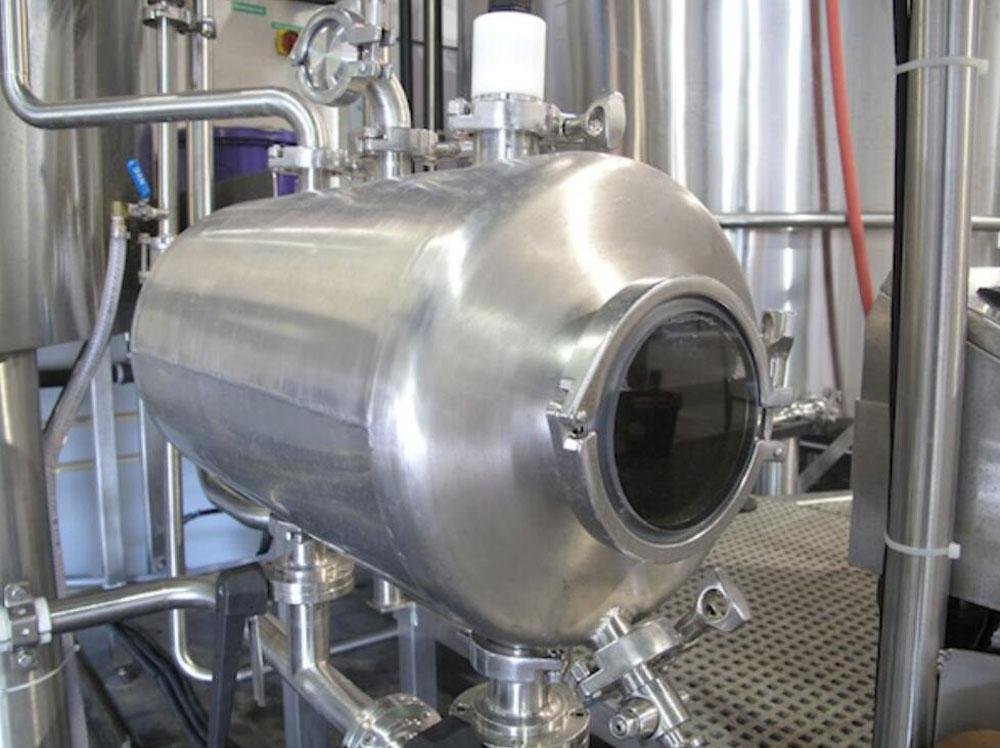
Advantages
Durability
Stainless steel is known for its strength and durability. It can withstand impacts and heavy use without damage, making it ideal for high-volume breweries.
Corrosion Resistance
High-grade stainless steel (such as 304 or 316) offers excellent resistance to corrosion, ensuring the longevity of the equipment and maintaining the purity of the wort.
Heat Resistance
Stainless steel can endure high temperatures, which is essential during the brewing process. It remains stable and safe even under intense heat.
Ease of Cleaning
Stainless steel’s smooth surface makes it easy to clean and sanitize, preventing bacterial growth and ensuring that each batch of beer is brewed in a hygienic environment.
Disadvantages
Lack of Visibility
Unlike glass, stainless steel is opaque. Brewers cannot visually inspect the wort inside the grant and must rely on instruments and sensors to monitor the process.
3. Which Is Better for Your Brewery Equipment?
The choice between glass and stainless steel wort grants ultimately depends on your brewery’s specific needs and priorities:
- Glass Wort Grant: Ideal for small-scale or experimental brewing setups where direct observation of the wort is beneficial. It’s perfect for brewers who need to monitor the lautering process closely and make real-time adjustments.
- Stainless Steel Wort Grant: Best suited for large-scale commercial breweries that require durable, heat-resistant, and easy-to-maintain equipment. Its robustness and longevity make it a reliable choice for high-volume production environments.
At Tiantai Brewtech, we offer both glass and stainless steel wort grants, designed to meet the diverse needs of brewers worldwide.
For more information and to explore our range of brewery equipment, visit our website or contact us directly.
Let Tiantai Brewtech be your trusted partner in brewing excellence.
👤 Cassie
📧 [email protected]