
The brewhouse is the heart of an entire craft beer production line. When you pick the right brewhouse configuration, your production rhythm, labor cost and beer consistency will be much easier to control. Many new brewery owners get confused about the differences between 2-vessel, 3-vessel and 4-vessel systems. You can make a sensible decision based on your daily capacity, brewing shifts and product plans.
A typical 2-vessel brewhouse consists of a mash-lauter tun and a kettle-whirlpool tun. It features fewer tanks, compact footprint and lower upfront investment. This setup can finish all core processes including mashing, lautering, sparging, boiling and whirlpool. It is ideal for microbreweries, pilot brewing workshops and restaurant brewpubs. The main limitation is sequential operation. You cannot start a new batch until the previous cycle is fully finished. Normally it only supports one brewing run per day. It works well for small-scale venues focusing on slow craft brewing without heavy output pressure. If you run a brewpub with limited retail sales and stable, low order volume, a 2-vessel brewhouse delivers outstanding value for money.
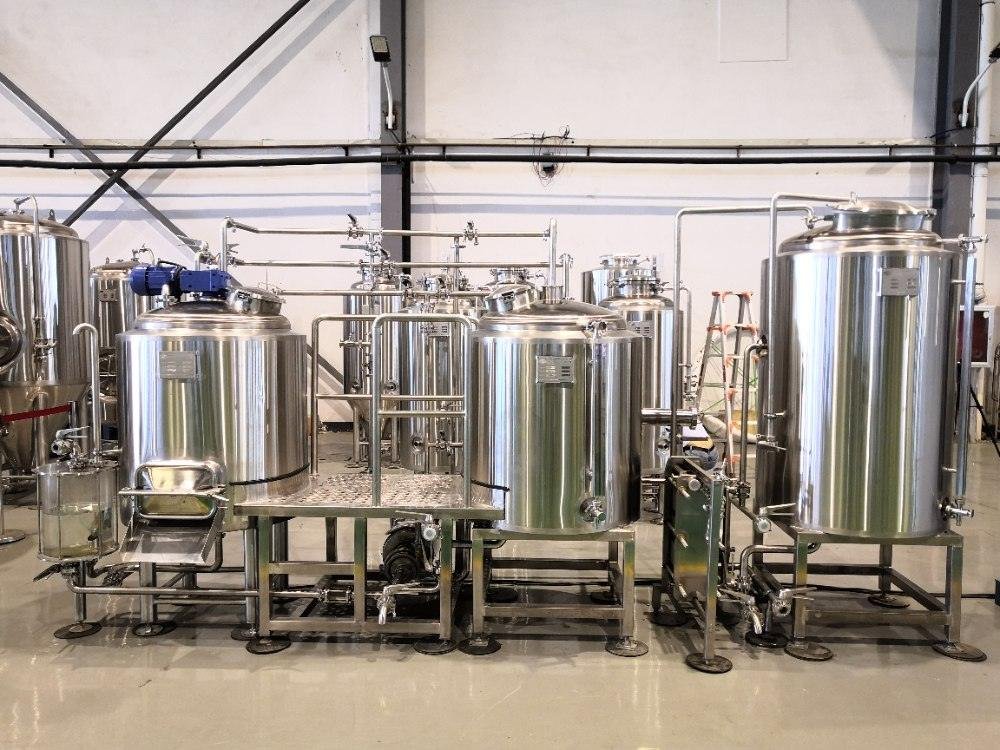
The 3-vessel brewhouse is the most popular mainstream option in the craft brewing industry. The standard layout includes a mash tun, lauter tun and combined kettle-whirlpool tun. Compared with the 2-vessel version, it separates mashing and lautering into independent stations, so partial overlapping of processes becomes possible. While the lauter tun runs wort separation and sparging, the mash tun can start preparing the next grain charge and mashing simultaneously. It can steadily run 2 to 3 batches per day, bringing much better flexible output. It balances budget and production efficiency perfectly, matching medium-sized craft breweries with steady sales channels. Brewers can make all common styles such as ale and lager easily. It is also the top choice for breweries planning an upgrade from a basic 2-vessel system.
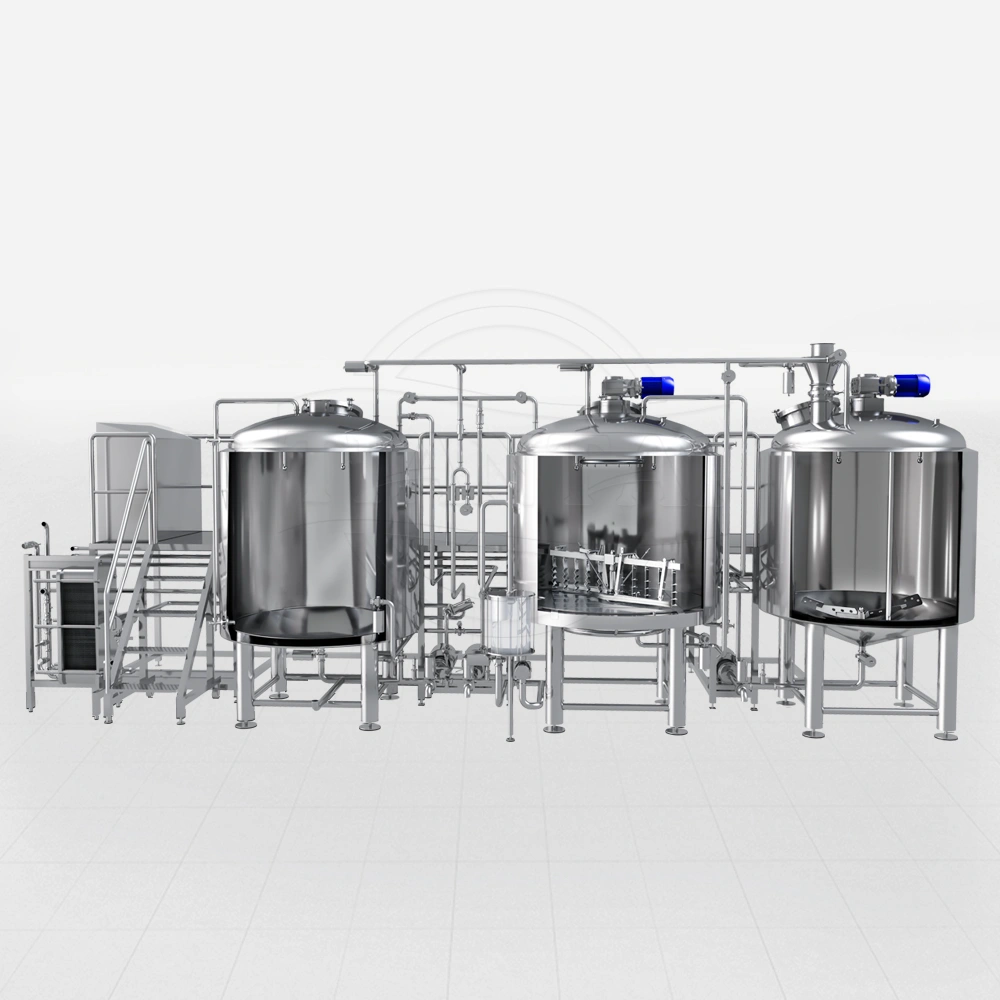
A 4-vessel brewhouse is composed of four standalone tanks: mash tun, lauter tun, kettle and whirlpool tun. The boiling and whirlpool stages are fully separated. This configuration allows maximum parallel workflow. Lautering, boiling and solids separation can run at staggered times. It can handle 3 or more batches per day reliably. It suits large-scale craft breweries and established brands with high and continuous order demand. Besides higher output, the independent whirlpool tank provides sufficient settling time for hot trub separation, delivering more consistent wort quality during mass continuous production. The trade-off is higher capital cost, larger space requirement, more complex piping, automatic control and CIP system. It also requires experienced operators to manage the whole line.

To wrap up the selection guide:
For brewpubs, restaurant breweries and pilot labs with low output and one batch or less per day, the 2-vessel brewhouse is recommended.
For brand breweries with steady sales and 2–3 daily batches, seeking a balance between cost and efficiency, choose the 3-vessel brewhouse.
For large production breweries with heavy orders, frequent multi-batch runs and strict requirements on wort stability, the 4-vessel brewhouse is the best fit.
When you make your final decision, do not only focus on the number of vessels. Take fermenter quantity, plant height, budget and your expansion plan for the next 1 to 3 years into consideration. If you plan to expand later, reserve connection ports and automatic control interfaces in advance, so you will not face difficult upgrades after installation. A well-matched brewhouse is not necessarily the most complicated one. The most suitable system is the one that fits your order schedule and helps you brew good beer steadily.