
Batch Size
The capacity of each batch is the primary factor determining the number of beer fermenter required. Generally, larger batches require more vessels, but this relationship is not always linear. Factors such as fermentation time, equipment cleaning and maintenance downtime, as well as required throughput, need to be considered. For instance, to maintain stable weekly production, you will need enough fermentation vessels to effectively stagger the production cycles.
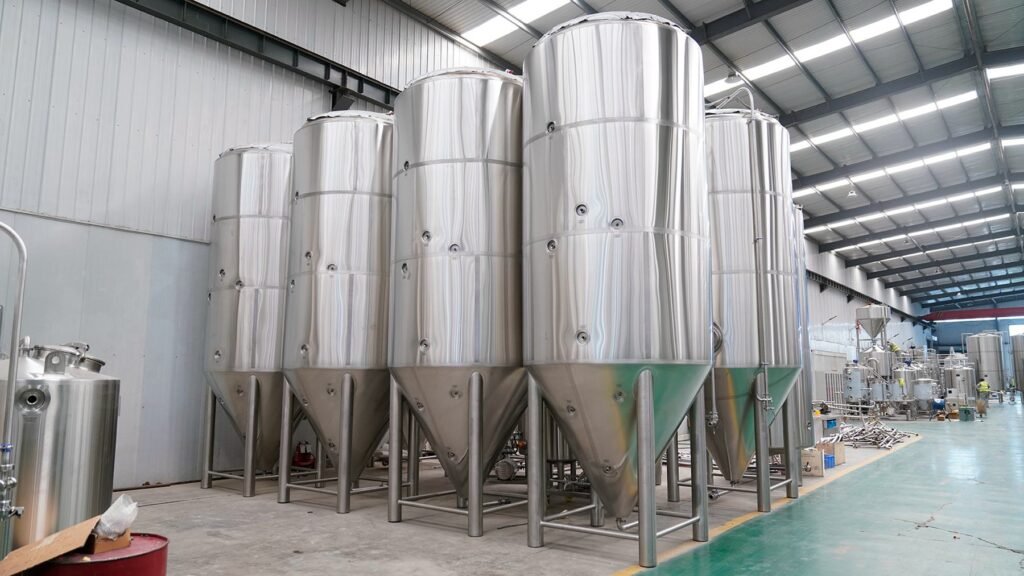
Production Capacity
Determine how much beer you plan to produce within a given timeframe—weekly, monthly, or annually. Divide the total beer volume by the batch size to determine the number of batches needed. Knowing the average fermentation period for each type of beer is crucial in calculating production capacity.
To estimate the number of fermentation vessels needed, divide the expected output by the batch size. This will give you the minimum number of vessels required to meet your monthly production targets.
For example, if the expected monthly output is 4000 liters and the batch size is 1000 liters, you would need at least 4 fermentation vessels. However, it’s important to account for practical factors like maintenance, cleaning, and batch overlapping. Having additional vessels can help accommodate these factors and ensure smoother operations. It’s recommended to increase the number of fermentation vessels slightly above the minimum requirement to provide a buffer.
Fermentation Types and Specific Requirements
Each fermentation process has unique requirements. Whether it’s brewing beer, fermenting wine, producing vinegar, or fermenting dairy products, specific conditions such as temperature control, exposure to oxygen, or aging time are necessary. Understanding the complexity of your chosen fermentation type helps in selecting the appropriate number and type of fermentation vessels.
Estimated Fermentation Time
Managing multiple fermentations simultaneously affects the number of fermentation vessels required. Simultaneously handling different products or batches requires additional vessels and careful scheduling to prevent cross-contamination or interference between fermentations. Optimizing fermentation vessel use by staggering fermentations helps maintain a consistent production schedule.
If a product batch takes 10 days to ferment and your goal is to prepare a new batch every 10 days, you’ll need enough fermentation vessels to sustain this cycle. This may mean having 10 fermentation vessels so each batch can ferment independently without waiting for the previous batch to finish.
Flexibility and Versatility
Consider using a mix of different-sized fermentation vessels to enhance operational flexibility. Smaller vessels can serve experimental batches, limited editions, or niche products, while larger vessels accommodate standard production runs and improve overall efficiency. This combination can adapt to market demands and allow for experimentation with new recipes.
Consider Overlapping Cycles
Efficient use of fermentation vessels involves overlapping fermentation cycles. While one batch is fermenting, another may be starting or finishing, minimizing downtime and maximizing output. Depending on fermentation times, effective cycle overlapping may reduce the number of vessels required compared to the number of batches produced.
Infrastructure and Space Limitations
Available space and infrastructure constraints may limit the number of fermentation vessels that can be accommodated in a specific area. Balancing operational efficiency with available space is crucial. Effectively utilizing existing infrastructure may involve investing in larger fermentation vessels or optimizing layouts to achieve better workflow. Ensure facilities meet safety and hygiene standards while considering potential future expansions.
Budget and Resource Allocation
Finally, budget constraints may impact the initial number of fermentation vessels you can acquire. Starting with a smaller number of multi-functional vessels and gradually scaling up based on production demands and financial capabilities may be feasible. Adjust your plans for the number of fermentation vessels based on budget constraints. Balancing the ideal number of fermentation vessels with financial considerations may require phased investments and prioritizing based on current needs. By carefully assessing batch dynamics, fermentation times, production scales, fermentation types, and flexibility requirements, you can tailor the fermentation vessel infrastructure to optimize efficiency and meet specific fermentation job requirements. Of course, you can also contact Abby Wong in Tiantai Brewtech, where engineers can tailor a solution that suits your needs.
Email: [email protected]
Whatsapp: +86 170 9164 4622