
Define the production demand: According to the production scale and product demand, determine the processing capacity of the required equipment. Consider the daily production volume, peak production period, and equipment backup to ensure that the equipment processing capacity meets the production needs. For example, what type of liquor you need to process, the required separation purity, the size of your operation, etc.
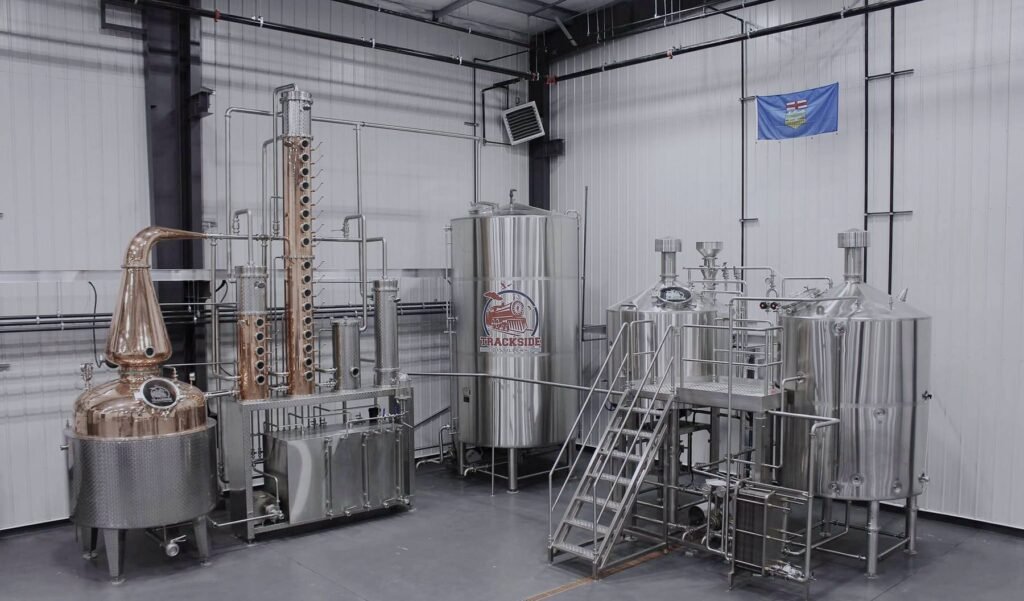
Types and sizes of distillation equipment: There are different types of distillation equipment, such as traditional mirror stills, column stills, and so on. Choosing the type of equipment depends on the type and size of the product you plan to produce. In terms of size, you need to choose the size of the equipment based on your production volume. Determine the processing capacity and capacity of the distillation equipment based on the size of the production or laboratory. The capacity of the equipment should be able to accommodate the volume of liquid to be processed per batch and take into account possible future expansion requirements.
Budgetary considerations: Budget plays an important role in equipment selection. While it is important to find the equipment that best suits your needs, it is equally important to stay within budgetary constraints. Compare prices, but don’t compromise on quality and safety.
Consider separation efficiency and purity requirements: Select the right distillation equipment based on product purity requirements and separation efficiency. Separation efficiency and energy consumption may vary between different types of equipment and need to be considered holistically.
Consider material corrosion resistance and operating conditions: Select corrosion-resistant materials according to the chemical nature of the processed liquid and operating conditions to ensure the long-term stable operation and safety of the equipment. Commonly used materials include stainless steel, glass fiber-reinforced plastic, special alloys, and so on.
Automation control system: selecting equipment with a high degree of automation can improve production efficiency and reduce labor costs. The use of advanced control systems, such as PLC (Programmable Logic Controller), touch screen, etc., is convenient for operators to set parameters, monitor the operating status of the equipment, and deal with abnormal situations.
Supplier Reputation: Choose suppliers with good reputations and word-of-mouth to ensure that the quality of equipment and after-sales service is guaranteed. Solve the supplier’s after-sales service policy, including equipment installation and commissioning, technical training, maintenance, and other aspects of support.